There are a lot of ways to taste wine in Napa and Sonoma, and they’re not all created equal. The experience, the time commitment, and the cost vary quite a bit depending on what you book. If you’re planning your first visit, it helps to know what you’re walking into before you get there. Here’s a breakdown of the most common types of tastings you’ll encounter and what to expect from each.
One thing you’ll notice we left out: cave tastings. That’s not an oversight. Caves are a setting, not a format. You can do a bar tasting in a cave, a sit-down tasting in a cave, a full tour that ends in a cave. So rather than list it separately, just know that any of the experiences below might take place underground, and when they do, it adds a pretty memorable backdrop.
Common Types of Wine Tastings
Wine Bar Tasting
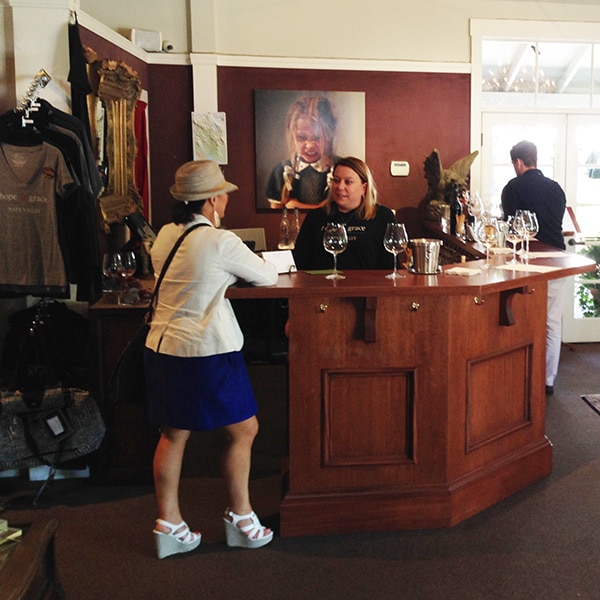
This is what most people picture when they think of wine tasting. You walk up to a bar, look at a list of what’s being poured, and work your way through a flight. Some wineries offer different tasting menus, like a reserve option that features older or more limited wines, or a flight focused on whites or a single varietal.
Most wineries with public tasting rooms don’t require appointments for bar tastings, which makes them the easiest to fit into your day on the fly. If you’re staying at a hotel, ask the concierge for tasting passes. A lot of properties have complimentary or two-for-one offers that can save you some real money over the course of a day.
Sit Down Wine Tasting
Sit-down tastings can be private or in a small group, and they almost always require an appointment. You’ll be with a dedicated host who isn’t splitting attention between you and a crowded bar, which means you actually get to have a conversation. Ask questions. Go deeper on the wines you’re curious about.
This is a great option if you want more insight into a winery’s approach without committing to a full property tour. You’ll often taste wines that aren’t available at the bar, and the whole experience feels more personal. Plan for about an hour when you’re mapping out your day.
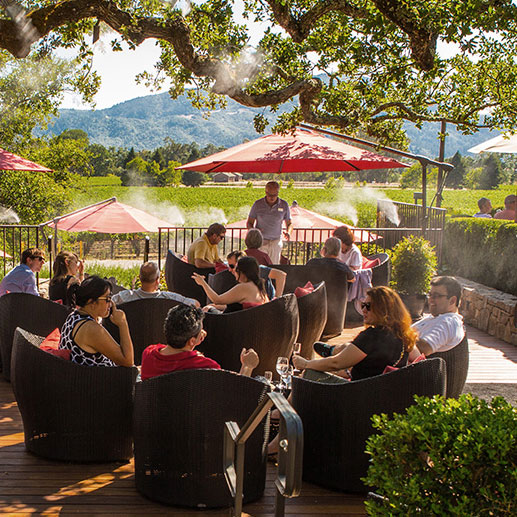
Table Service Wine Tasting
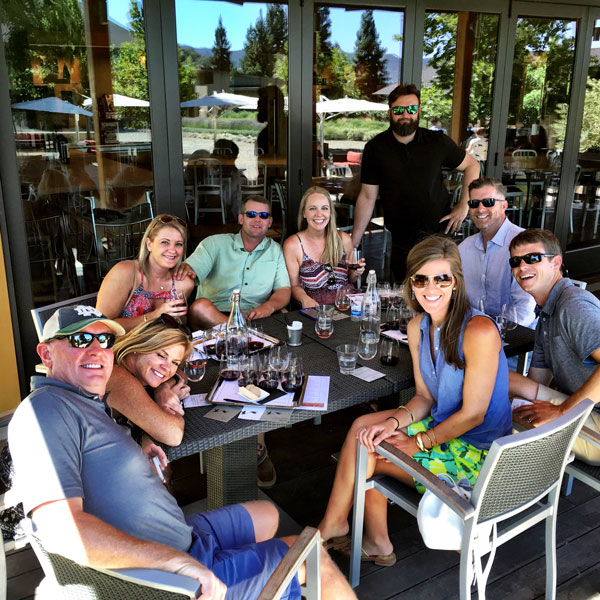
Table service is the standard at most sparkling wine houses, and it feels more like sitting down at a wine bistro than standing at a counter. You’re seated at a table, and your host brings each pour to you, stopping by to describe the wine and share a little about the winery between courses.
It’s a nice middle ground between a bar tasting and a full sit-down. You get the comfort of a seat and some dedicated attention, but without the intensity of a private appointment. If you’re tasting with a group, order a few different flights and share across the table. You’ll get to try more wine that way. Budget at least an hour, more if you want to linger.
Winery Tours
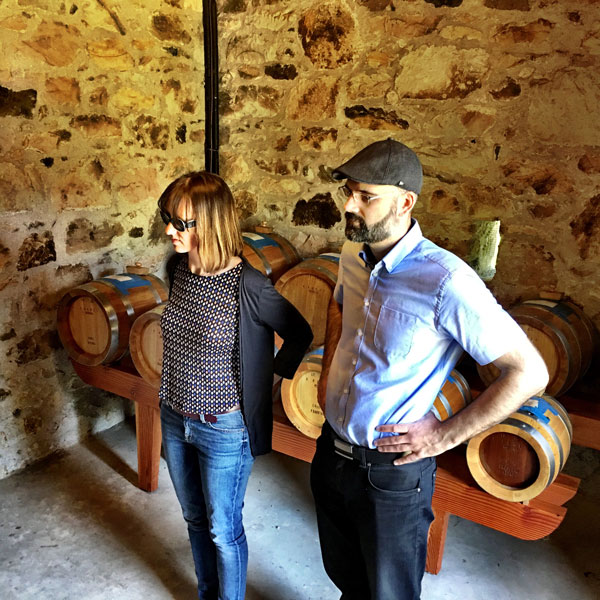
A winery tour is the most immersive tasting experience you can book. You’ll follow the path of the grape from vineyard to cellar to finished wine, with a guide walking you through the philosophy and practices behind everything you’re seeing. If this is your first trip to wine country, even one good tour will give you a foundation that makes every other tasting the rest of the trip more interesting.
Tours vary a lot from property to property. Some are focused and run about an hour. Others get into blending, barrel programs, and technical tasting and can stretch to two or three hours. Always check the duration before you book so it doesn’t eat up more of your day than you planned for. And a practical tip: we generally don’t recommend making every stop on your itinerary a full tour. One, maybe two, is plenty. Mix in some lighter tastings to keep the day from feeling like a seminar.
Elevated Wine Experiences
Barrel Tastings
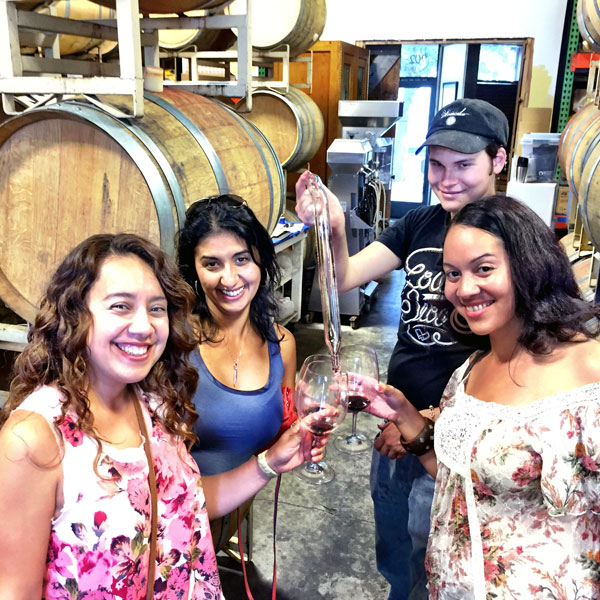
Barrel tastings are usually part of a winery tour rather than a standalone experience. Your guide uses a wine thief (a glass siphon) to pull samples directly from barrels in the cellar, giving you a taste of wine that’s still developing. It’s unfinished, and that’s the point. You get to experience what wine tastes like in the middle of the aging process, before the winemaker has made final blending decisions.
What makes barrel tastings really interesting is when you taste the same wine from different barrels. When Grady was at Quintessa, they routinely used barrels from 25 different cooperages, with wood sourced from different forests and toasted to different levels. Each barrel imparts slightly different flavors into the same wine, and the winemaker uses that diversity as a tool. Tasting side by side, you can actually pick up the differences, and it gives you a real appreciation for how much the cellar shapes what ends up in the bottle.
Food and Wine Pairing
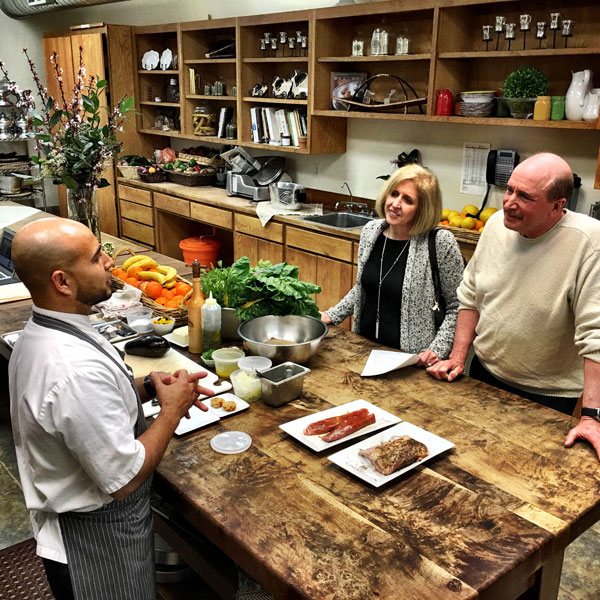
Wine and food belong together, and there are some exceptional pairing experiences across both valleys. The range is wide. On the simpler end, you’ll find cheese and charcuterie boards matched with a flight. On the other end, some wineries offer multi-course meals prepared by an on-site chef, where every dish is built around a specific wine.
These can be group experiences or fully private. Some properties even offer cooking classes where you help prepare part of the meal before sitting down to eat. If you’re someone who connects with wine through food (and honestly, most people are whether they realize it or not), a pairing experience is one of the most memorable things you can do on a wine country visit.
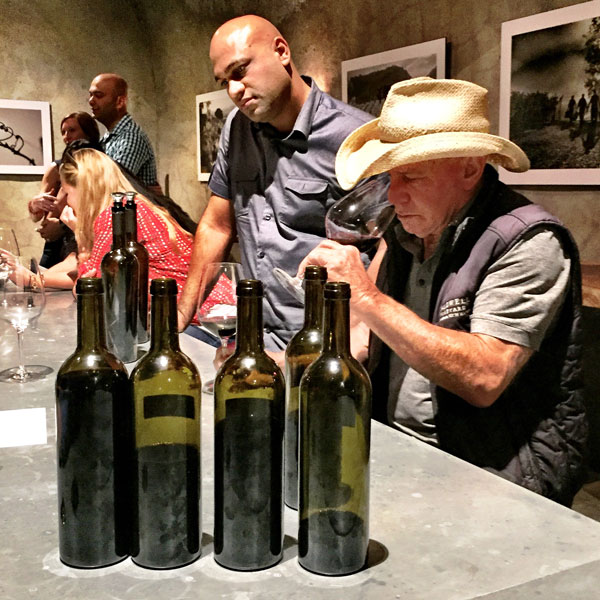
Blending Seminar
This is where you get to play winemaker. A handful of wineries in Napa and Sonoma offer blending seminars where you taste individual components, learn about where the grapes come from and how blending decisions are made, and then create your own blend to take home.
The experiences range from casual and fun (great for groups who want something interactive) to genuinely technical, where you’re working with measured percentages and learning real blending theory. Some wineries will even let you take home more than just a bottle. A few offer the option to scale your blend up to a full barrel.
It’s one of the best ways to understand the art and science behind winemaking without, you know, actually starting your own label.
Beyond the Usual
We’ve covered the most common tasting formats, but there’s no shortage of experiences in Napa and Sonoma that don’t fit neatly into any category. Vineyard hikes, library tastings, harvest experiences, sensory workshops. If you’re looking for something outside the standard lineup, that’s exactly the kind of thing we help people put together. Just ask.