
Napa
Diamond Mountain District AVA
Napa’s Volcanic Power with Mountain Precision
Details about Diamond Mountain District AVA
Overview:
Diamond Mountain District is all about mountain muscle and intensity. Sitting above Calistoga on the western side of Napa Valley, this is a place where vines struggle in rocky volcanic soils and are rewarded with incredibly concentrated fruit. The wines here feel powerful, structured, and unmistakably “mountain Napa.”
Location:
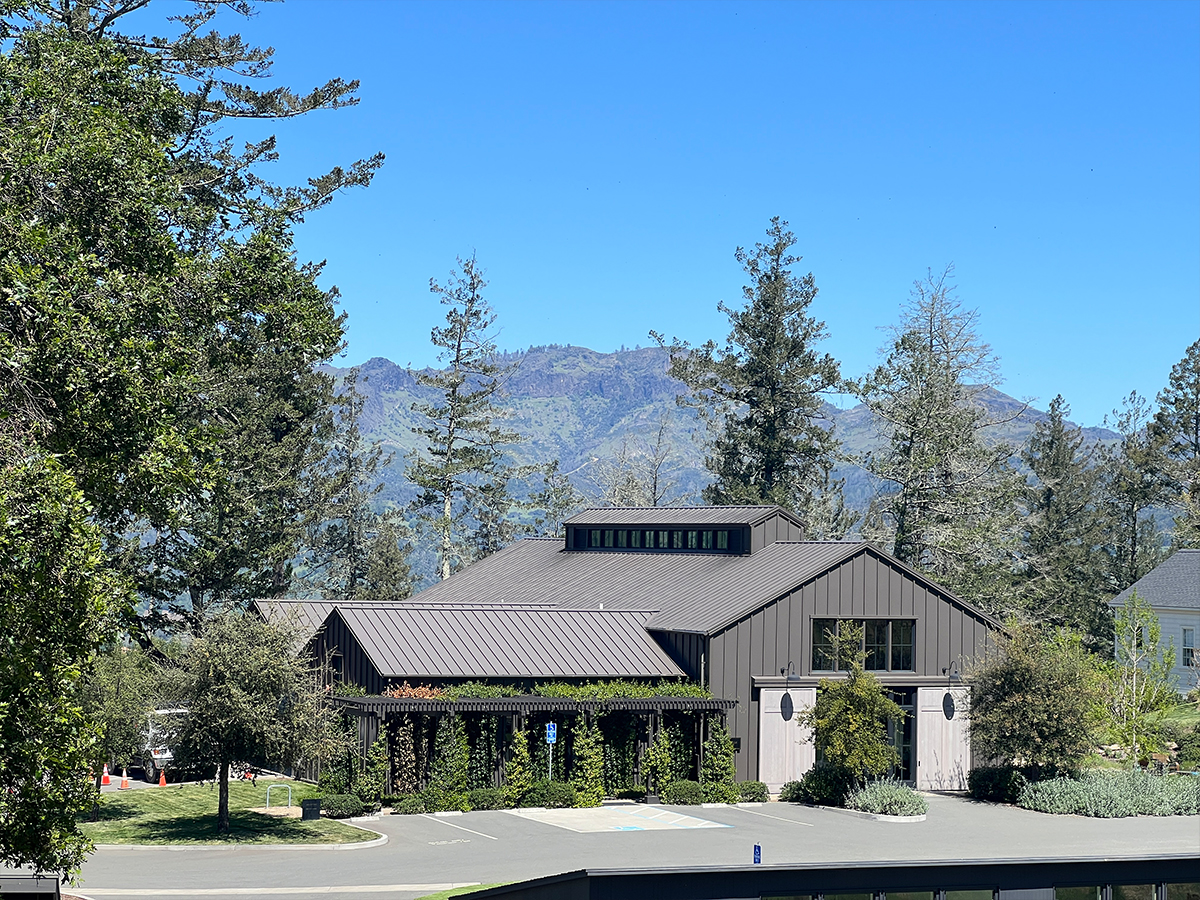
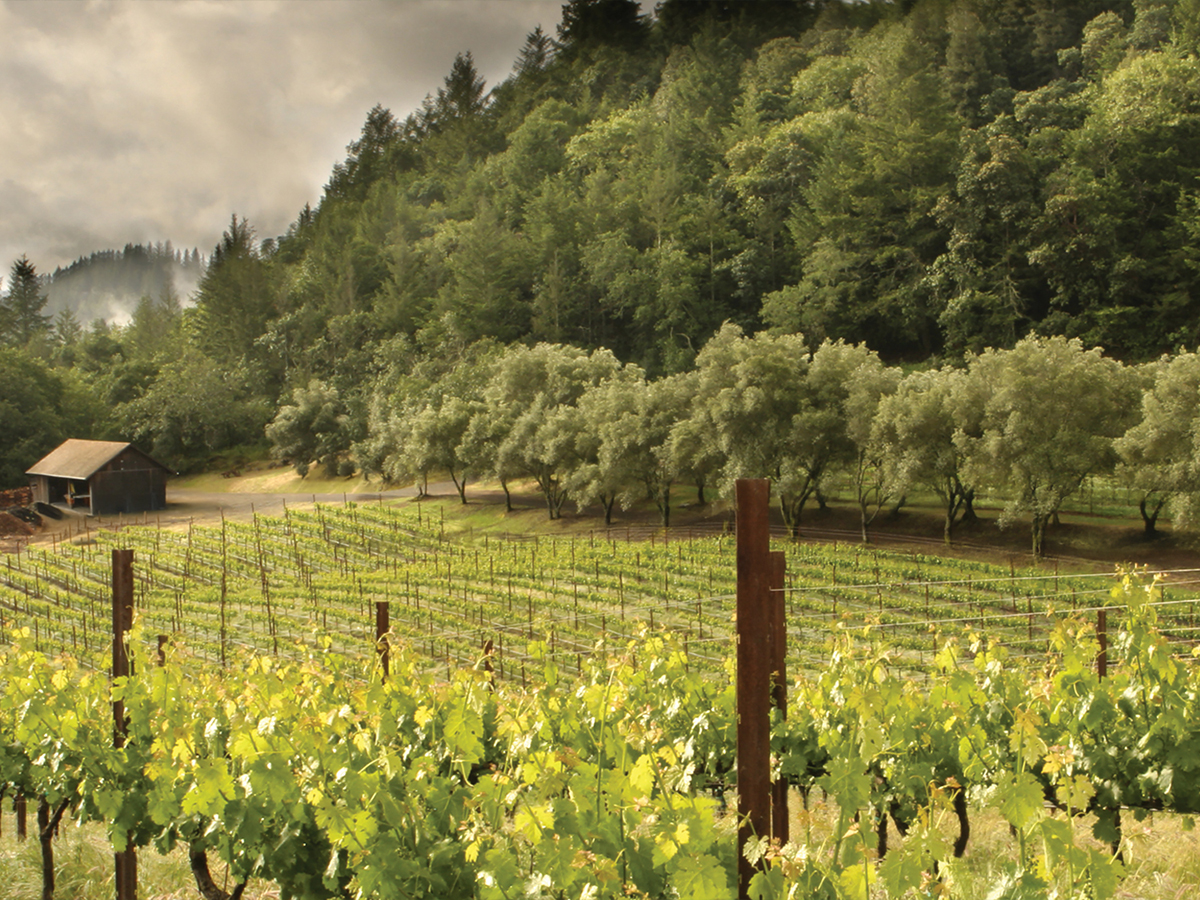
You’ll find Diamond Mountain just west of the town of Calistoga, rising into the Mayacamas Mountains. Vineyards cling to steep slopes and ridgelines rather than a flat valley floor. Elevations generally range from about 400 up to 2,200 feet, which means cooler air, stronger sunlight, and dramatic views looking down over Napa Valley.
Terroir Details
Elevation: Roughly 400–2,200 feet. Higher elevation brings cooler nights and intense sunlight during the day, helping grapes develop thick skins and bold structure.
Climate: Warmer days like Calistoga, but much cooler nights thanks to elevation. This wide day-night swing builds ripe flavors while keeping acidity firm.
Soils: Distinctive red, iron-rich volcanic soils mixed with ash and fractured rock. These soils drain quickly and force vines to dig deep, resulting in small berries packed with flavor.
Sun Exposure: Steep slopes give excellent sun exposure, especially in the afternoon, helping Cabernet Sauvignon fully ripen even at higher elevations.
History:
Diamond Mountain gained fame long before it earned official AVA status. In the late 1960s and 1970s, pioneering wineries like Diamond Creek proved that this rugged mountainside could produce world-class Cabernet Sauvignon. Thanks to its clearly different soils, elevation, and wine style, Diamond Mountain District was officially recognized as an AVA in 2001.
Interesting Facts:
- Diamond Mountain helped define what people now think of as “mountain Cabernet” in Napa Valley
- The red volcanic soils are so distinctive they can stain boots and vineyard equipment
- Yields here are naturally low because vines struggle in the rocky ground
- Many wines from this AVA are built to age for decades
Signature Feature:
If you remember one thing about Diamond Mountain, remember this: rocky volcanic soils and elevation create intensely structured wines with depth, power, and longevity. These are wines that unfold slowly over time.
Wine related informations
Tasting Notes:
Wines from Diamond Mountain District are typically bold and serious. Cabernet Sauvignon shows dark blackberry, cassis, graphite, and crushed rock, with firm tannins and concentrated structure. There’s often a savory, mineral edge that reflects the volcanic soils. These wines feel dense and focused rather than plush.
Food Pairings:
- Grilled ribeye or dry-aged steak
- Braised short rib
- Wild game like venison or elk
- Aged hard cheese such as Parmigiano-Reggiano or aged Gouda
Signature Wines:
Diamond Mountain District is celebrated almost entirely for mountain-grown Cabernet Sauvignon. These wines are known for their powerful structure, deep concentration, and long aging potential. The volcanic soils and elevation give Cabernets here a darker, more intense personality than valley-floor Napa wines.