
Sonoma
Dry Creek Valley AVA
Sonoma’s Scenic, Zinfandel-Centered Paradise
Details about Dry Creek Valley AVA
Overview:
Dry Creek Valley is one of Sonoma County’s most recognized regions, famous for its Zinfandel but offering a diverse range of wines. The valley sits in a natural bowl formed by the Mayacamas and the Coastal Ranges, providing an ideal combination of warm days and cool nights. This perfect climate balance produces rich yet structured wines.
Location:
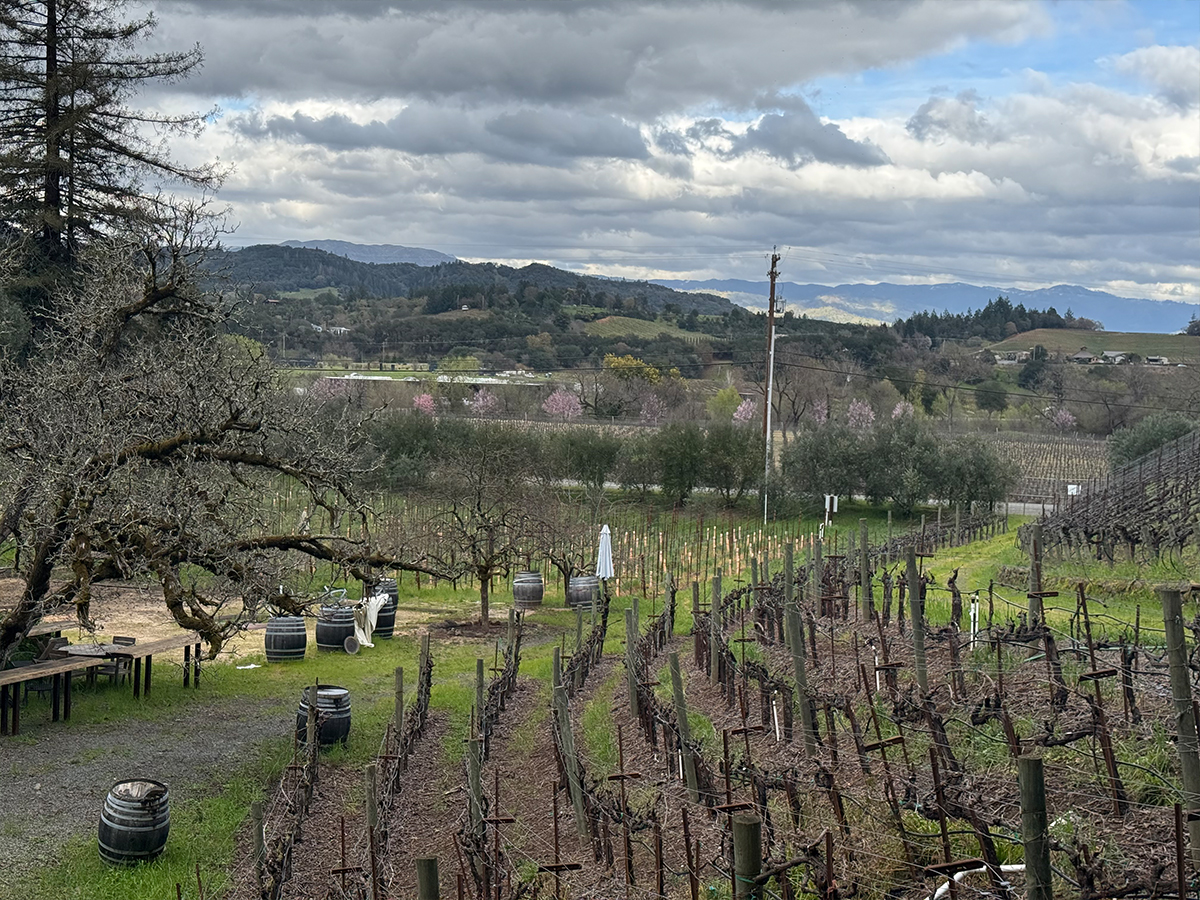
The AVA stretches about 16 miles north of the town of Healdsburg, nestled between the Mayacamas Mountains and the Russian River Valley to the south. Vineyards run across a range of elevations and slopes, with the most famous plantings along the Dry Creek itself.
Terroir Details
Elevation: 200–1,200 feet, with vineyards planted both on valley floors and the slopes that lead up to the surrounding mountains. Higher elevations receive more sun exposure, which helps ripen the grapes.
Climate: Dry Creek Valley enjoys warm, sunny days tempered by cool evenings and morning fog rolling in from the Russian River. This diurnal temperature shift helps preserve the freshness and acidity in the wines.
Soils: The valley’s soils are a mix of gravelly loam, clay, and volcanic ash, providing great drainage. Many vineyards are planted in the alluvial fans of the valley floor, where the soils are more fertile.
Sun Exposure: The valley’s orientation allows for excellent sun exposure, making it perfect for warm-weather grapes like Zinfandel. Cool evening winds help preserve balance and freshness.
History:
Grapes were planted in Dry Creek Valley as early as the 1860s, and the area has a long history of wine production. However, it wasn’t until the 1970s that the area became known for Zinfandel, thanks to the establishment of wineries like Ridge Vineyards and Preston of Dry Creek. Dry Creek Valley earned AVA status in 1983 and has since become one of Sonoma’s iconic wine-growing regions.
Interesting Facts:
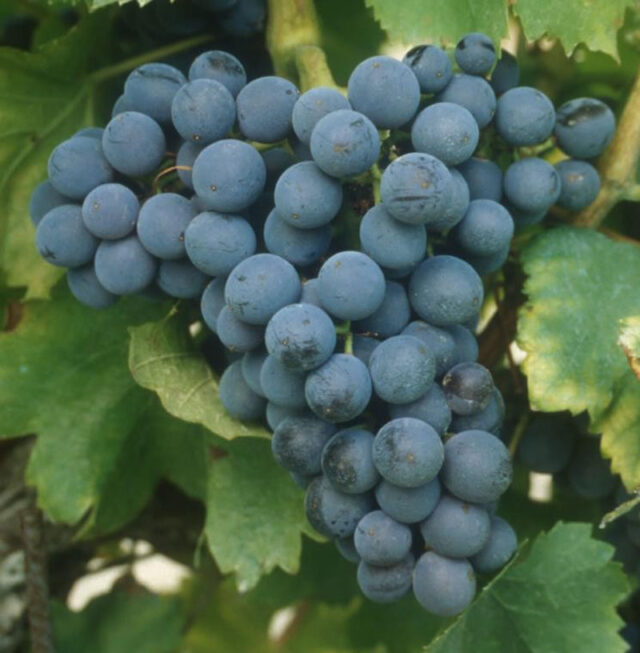
- Zinfandel is the signature grape of Dry Creek Valley, and it thrives here due to the valley’s warm climate and diverse soils. Many of the region’s Zinfandel vines are old vines, some of which are over 100 years old.
- Dry Creek Valley is home to dry-farmed vineyards, where vines are planted without irrigation, relying solely on natural rainfall.
- The valley’s narrow nature gives it a more protected climate compared to other Sonoma regions, which helps the area develop a more distinct terroir.
- Dry Creek Valley is ideal for blending: Zinfandel often pairs with other Bordeaux varietals like Cabernet Sauvignon, Merlot, and Petite Sirah to create complex, full-bodied wines.
Signature Feature:
Remember this about Dry Creek Valley: It’s Zinfandel country, but the region also produces remarkable wines in nearly every varietal thanks to the unique combination of soils, climate, and exposure. The wines here are vibrant and expressive, with a signature balance of richness and freshness.
Wine related informations
Tasting Notes:
- Zinfandel: Rich and fruit-forward with flavors of blackberry, raspberry, and plum, often accented by spicy, peppery notes and hints of black licorice or anise. Zinfandel from Dry Creek is typically well-structured, with medium to full body and moderate tannins.
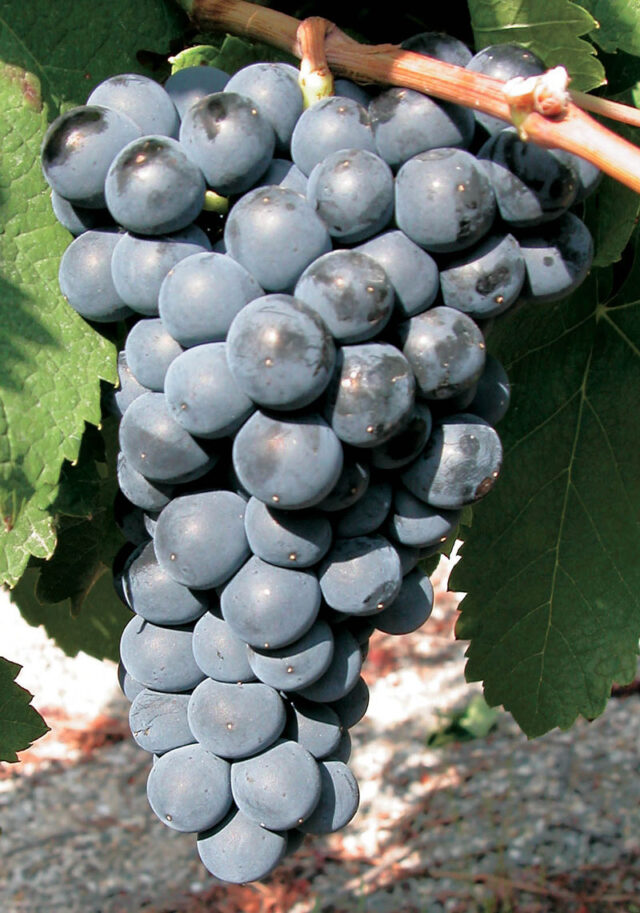
- Cabernet Sauvignon: Bold and tannic, with dark fruit, blackberry, and cassis flavors, often complemented by herbal and earthy notes.
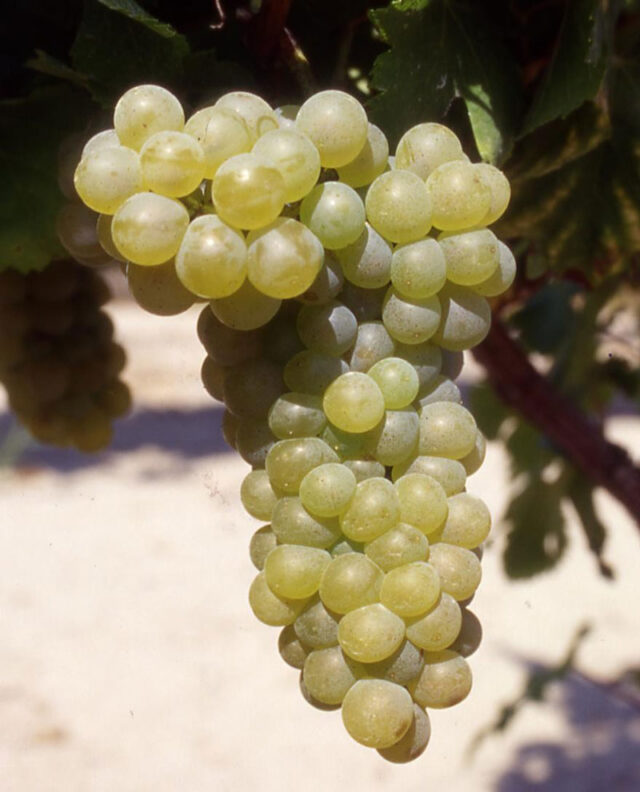
- Chardonnay: Balanced and elegant, with crisp citrus, apple, and pear flavors. Some Dry Creek Chardonnays show a subtle butteriness from malolactic fermentation, giving them a richer texture.
- Sauvignon Blanc: Fresh and crisp, with vibrant citrus, tropical fruit, and herbal notes. Often has a lively acidity and minerality.
Food Pairings:
- Zinfandel pairs beautifully with barbecued ribs, grilled sausages, or spicy chili
- Cabernet Sauvignon works well with steak, roast lamb, or aged cheeses
- Chardonnay is a great match for grilled chicken, seafood, or creamy pasta dishes.
- Sauvignon Blanc goes perfectly with grilled shrimp, goat cheese, or fresh salads
Signature Wines:
While Dry Creek Valley is best known for its Zinfandel, it also shines with Cabernet Sauvignon, Sauvignon Blanc, and Chardonnay. The Zins here are particularly special, often reflecting the complexity of old-vine fruit that provides a deeper, more nuanced wine. Dry Creek Zinfandel tends to be fruit-forward, with the ripe berry character balanced by a spicy, savory finish.