Napa
Chiles Valley AVA
Napa's High Valley with Mountain Character
Details about Chiles Valley AVA
Overview:
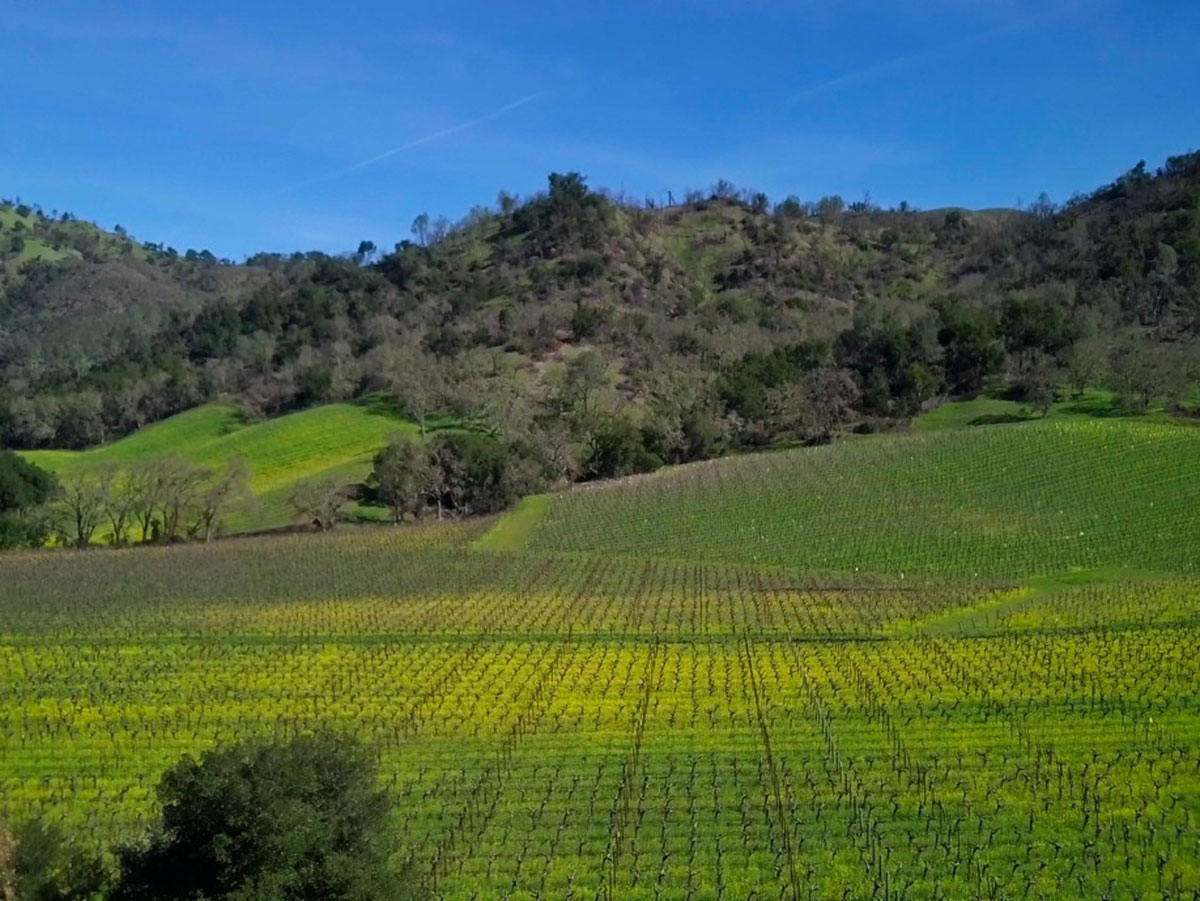
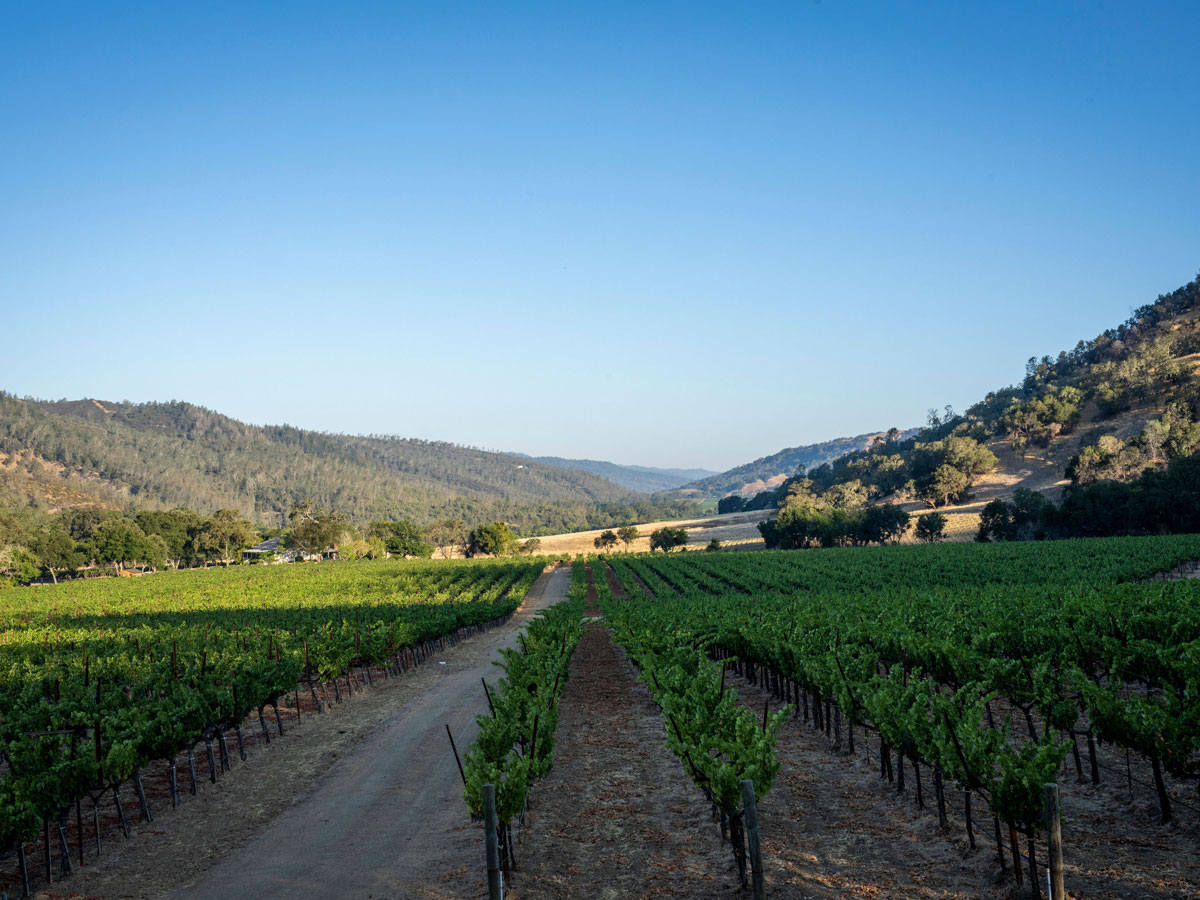
Chiles Valley feels like a secret side of Napa, tucked over in the Vaca Mountains where you leave the crowds behind and the landscape opens into a long, secluded valley. It can get plenty warm in the day, but the elevation and winds stretch the growing season, which is a big reason the reds here often taste powerful and polished.
Location:
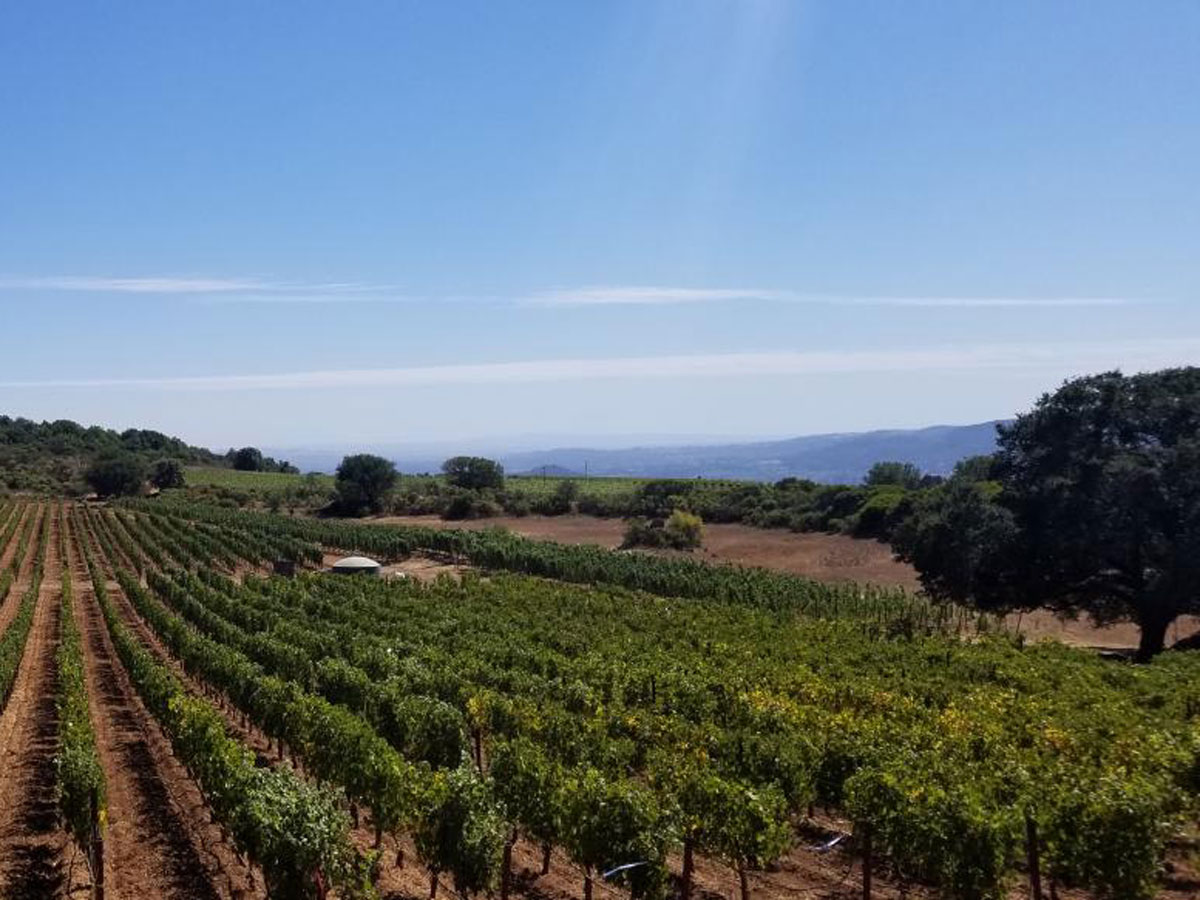
Chiles Valley sits on the eastern side of Napa Valley in the Vaca Range, reached by winding roads east of the Silverado Trail (think Lake Hennessey and the Sage Canyon area as nearby landmarks). It’s a long, narrow valley ringed by mountains, with vineyards typically around 600 to 1,200 feet in elevation, so you’ll feel that “up in the hills” freshness even on sunny days.
Terroir Details
Elevation: 600 to 1,200 ft. Higher ground usually means cooler nights and a longer hang time for grapes, which helps keep flavors vivid instead of heavy.
Climate: Warm afternoons (often mid-80s°F), chilly nights (can dip below 50°F), plus wind and colder winters. That day-night swing helps grapes ripen fully while holding onto energy and structure.
Soils: A mix of marine-origin soils with alluvial silty clay on the valley floor, and clay-loam and stony clay on hillsides, with some volcanic outcroppings. In plain terms: some spots grow generous, plush fruit, and other spots “stress” the vines a bit for deeper, more focused flavors.
Sun Exposure: The valley is generally open and sunny, but hillside sites vary (some face morning sun, some afternoon). That patchwork lets growers choose whether they want more ripeness or more freshness, even within one small AVA.
History:
The valley is named for Joseph Ballinger Chiles, an early pioneer who received a Mexican land grant here in 1841, and built what’s often cited as the first American flour mill in Northern California in 1845. Winegrowing arrived later, with an early winery established in the 1870s by Francis Sievers.
One of the valley’s most fascinating chapters is phylloxera: while much of Napa was devastated in the 1890s, Chiles Valley vineyards were noted as being relatively less affected because of the area’s isolation, and some very old Zinfandel vines still remain. Modern revival picked up in the 1970s, and the AVA itself was officially established in 1999, following a petition led by Volker Eisele.
Interesting Facts:
- It’s described as “long, skinny,” high-elevation, and with more vineyards than wineries, so you’ll often taste Chiles Valley fruit under other Napa labels too.
- Because it’s ringed by mountains, the valley can sometimes trap heat like an oven, even though nights cool down fast.
- Late harvest is common compared to the valley floor, thanks to elevation, wind, and cooler seasons.
- Nichelini Family Winery is a historic local landmark and describes itself as nestled in the Chiles Valley AVA.
Signature Feature:
If you remember one thing: Chiles Valley is “warm days, cold nights” Napa, in a tucked-away mountain bowl. That combination tends to give you wines with ripe flavor but also lift, shape, and a more measured pace on the palate.
Wine related informations
Tasting Notes:
Wines from Chiles Valley often come across as fully flavored but not clunky. Expect dark berry and plum depth, a fresh, breezy edge from the cooler nights, and tannins that feel structured rather than chunky. There’s also often an earthy, stony note that fits the valley’s mixed soils, plus a sense of poise that shows up especially well in reds grown on the hillsides.
Food Pairings:
- Grilled tri-tip or steak with chimichurri (loves that structure and dark fruit)
- Mushroom burgers or roasted mushrooms (great with the earthy, stony notes)
- BBQ ribs with a not-too-sweet sauce (matches richness without fighting freshness)
- Aged cheddar or gouda (brings out savory depth and smooths tannins)
Signature Wines:
Chiles Valley shines with structured Napa reds that keep their balance. Look for Cabernet Sauvignon and Cabernet blends that feel ripe but still refined, plus Zinfandel that can be bold yet surprisingly energetic. The valley’s higher elevation and cool nights are the big helpers here, letting producers chase flavor without losing freshness.