Sonoma
Chalk Hill AVA
Sonoma's Volcanic Chalk and Warm Hill Country
Details about Chalk Hill AVA
Overview:
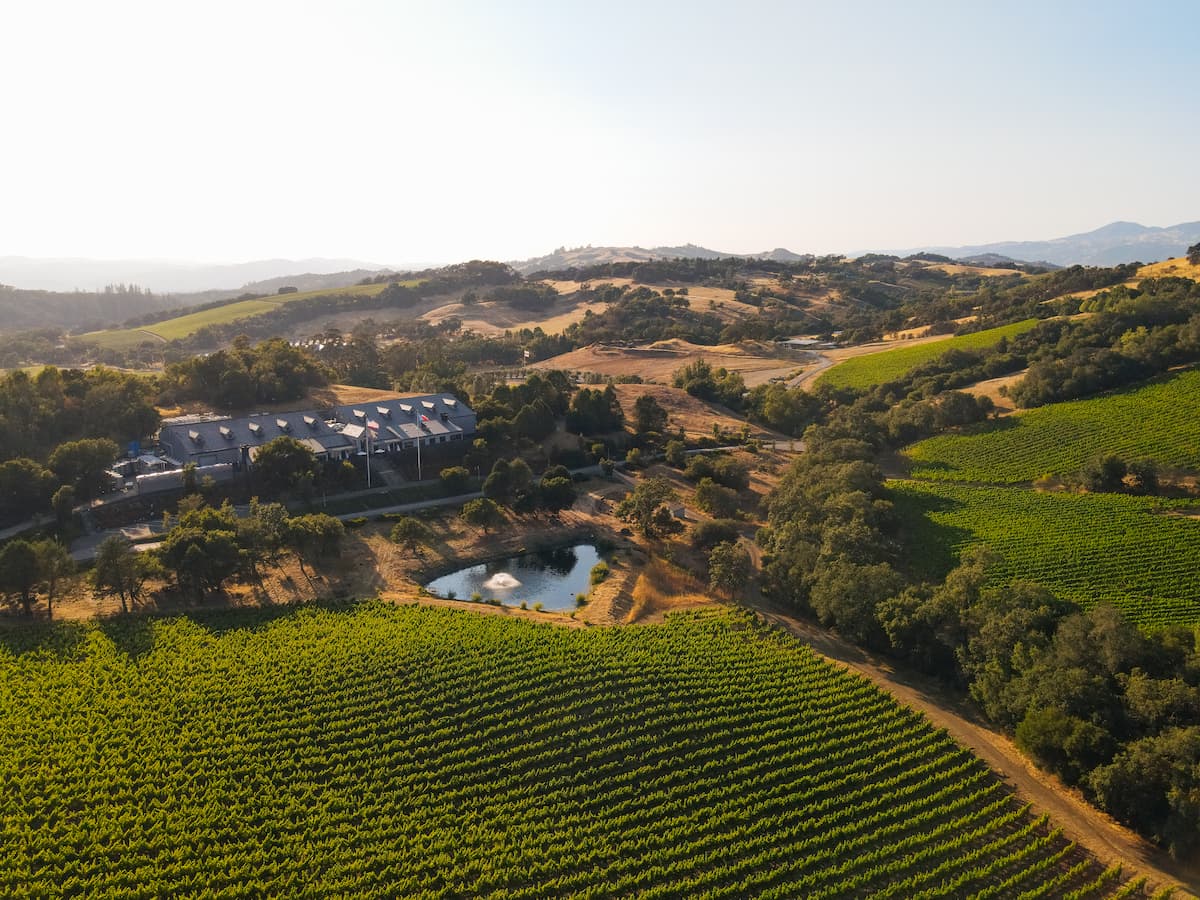
Chalk Hill sits in the northeastern edge of Sonoma County’s Russian River Valley AVA, just north of Windsor, where vineyards climb the foothills of the Mayacamas Mountains. Its soils are rich with chalk-like volcanic ash that gives the region its name and helps vines develop strong, focused flavors. Compared to cooler Russian River sites, it’s a bit warmer and more open, which lets grapes ripen fully while still preserving freshness.
Location:
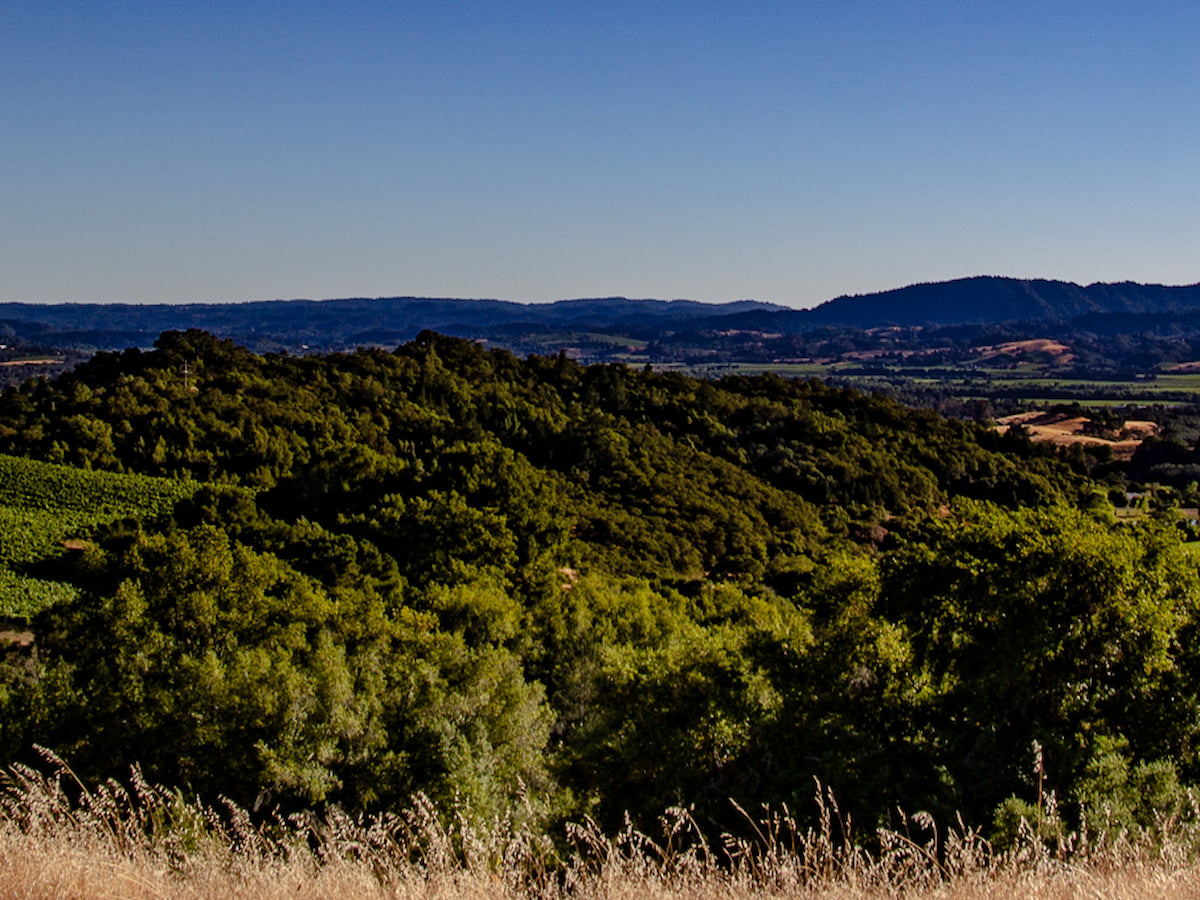
This appellation stretches east from Windsor on U.S. 101 into the rolling hills between Russian River Valley and Alexander Valley. Vineyards here sit mostly on slopes and benches at elevations up to about 1,600 feet, catching more sun than lower vineyards but still benefiting from breezes that moderate heat.
Terroir Details
Elevation: ~200–1,600 feet — higher sites help grapes develop deeper flavors and escape the morning fog common lower in the Russian River Valley.
Climate: Warmer than much of the Russian River Valley thanks to elevation and a natural thermal belt, yet still cooler than inland regions farther east; harvest often comes earlier because fruit ripens consistently.
Soils: Named for chalk-colored volcanic ash (actually quartzite-rich tuff) mixed with sandy loam and silts that drain well and keep vines working; these soils help concentrate flavor and give wines a distinct minerality.
Sun Exposure: Ample sunshine on hillsides brings ripeness to both whites and reds, while breezes help keep acidity bright.
History:
Wine growing in Chalk Hill predates its formal AVA status, with grapes planted in the area since the 1800s. But in 1983, growers and vintners successfully petitioned to create the Chalk Hill AVA once they noticed how its soils and climate made fruit distinct from neighboring Russian River areas. A boundary adjustment in 1988 refined the appellation lines.
Interesting Facts:
- The “chalky” soils aren’t real chalk but volcanic ash left by ancient eruptions of nearby Mount Saint Helena
- Chalk Hill is a warmer pocket within the Russian River area, meaning grapes often finish ripening earlier, around September
- The AVA produces a broad range of grapes (from crisp whites to robust reds) thanks to varied elevations and soil patches
- Chalk Hill Estate Vineyards was one of the first producers in the region to focus on Chardonnay, helping shape the AVA’s reputation for elegant whites
Signature Feature:
Remember this about Chalk Hill: its chalk-like volcanic soils and warmer hillside climate help wines show both rich, ripe fruit and bright, lively balance. That combination makes its whites and reds expressive but not heavy.
Wine related informations
Tasting Notes:
- Chardonnay: bright citrus, apple, pear with a mineral undercurrent and balanced acidity that makes it fresh yet rich
- Sauvignon Blanc: tangy citrus and tropical fruit with crisp finish
- Cabernet Sauvignon & Merlot: fuller-bodied reds with dark berry fruit, spice, and smooth tannins
- Syrah & GSM Style Blends: rich berry and pepper notes with savory complexity
Food Pairings:
- Grilled white fish or citrus-herb chicken (for crisp whites)
- Creamy pastas with mushrooms or herbs (for Chardonnay)
- Roast pork with rosemary and pepper (for reds)
- A cheese board with aged cheddar, gouda, and fresh fruit
Signature Wines:
Chalk Hill is especially known for Chardonnay that feels rich yet bright, often showing citrus and mineral layers that reflect the chalky volcanic soils. Its reds like Cabernet Sauvignon and Merlot bring ripe dark fruit with spice and smooth structure thanks to the balanced conditions of the hillsides.