Napa
Artesa Winery
A legacy of Spanish winemaking meets the innovation of modern Californian viticulture.

Overview
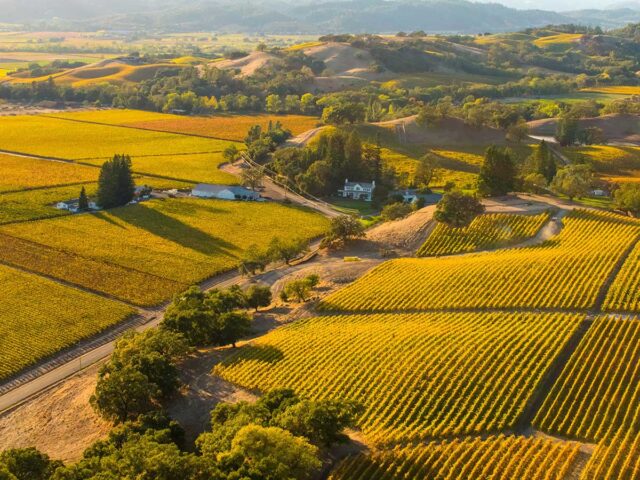
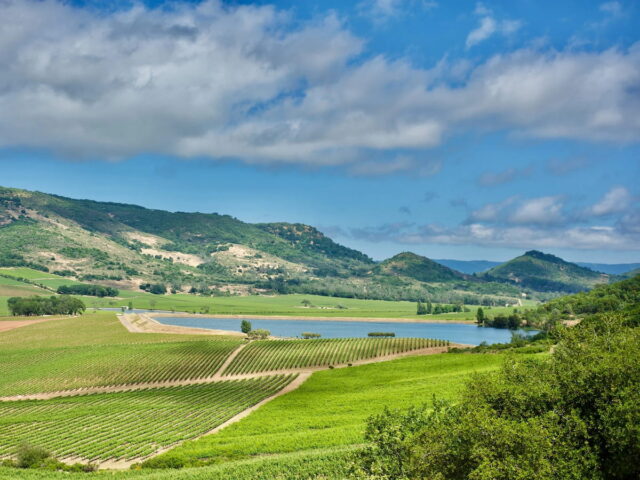
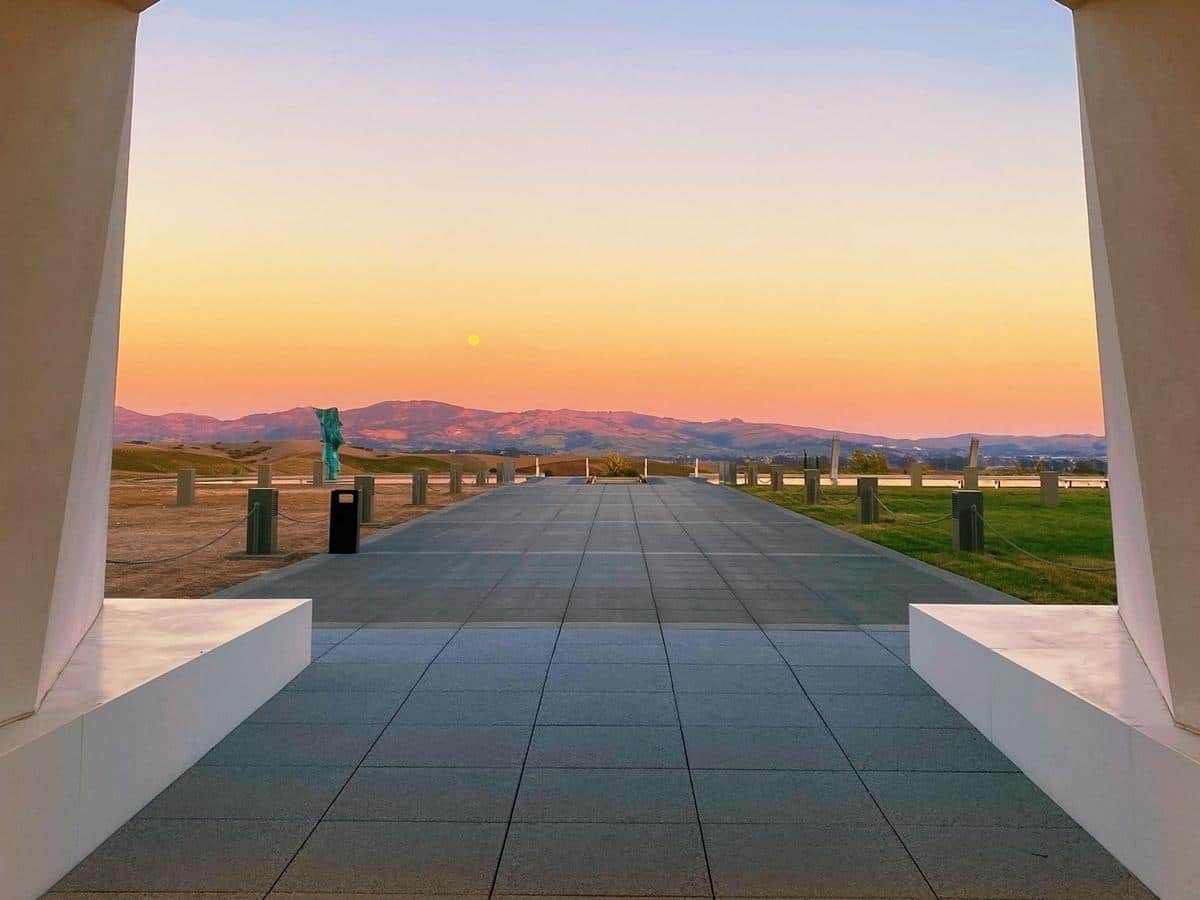
Artesa is that place you feel before you even taste anything, the long staircase, the water features, the building tucked into the hillside like it’s part of the land, and then… boom: wide-open Los Carneros views that make everyone’s camera roll very, very full. It sits on a sea-cooled hillside in Los Carneros (southern Napa), close enough to San Pablo Bay that the breezes do a lot of the hard work for Chardonnay and Pinot Noir.
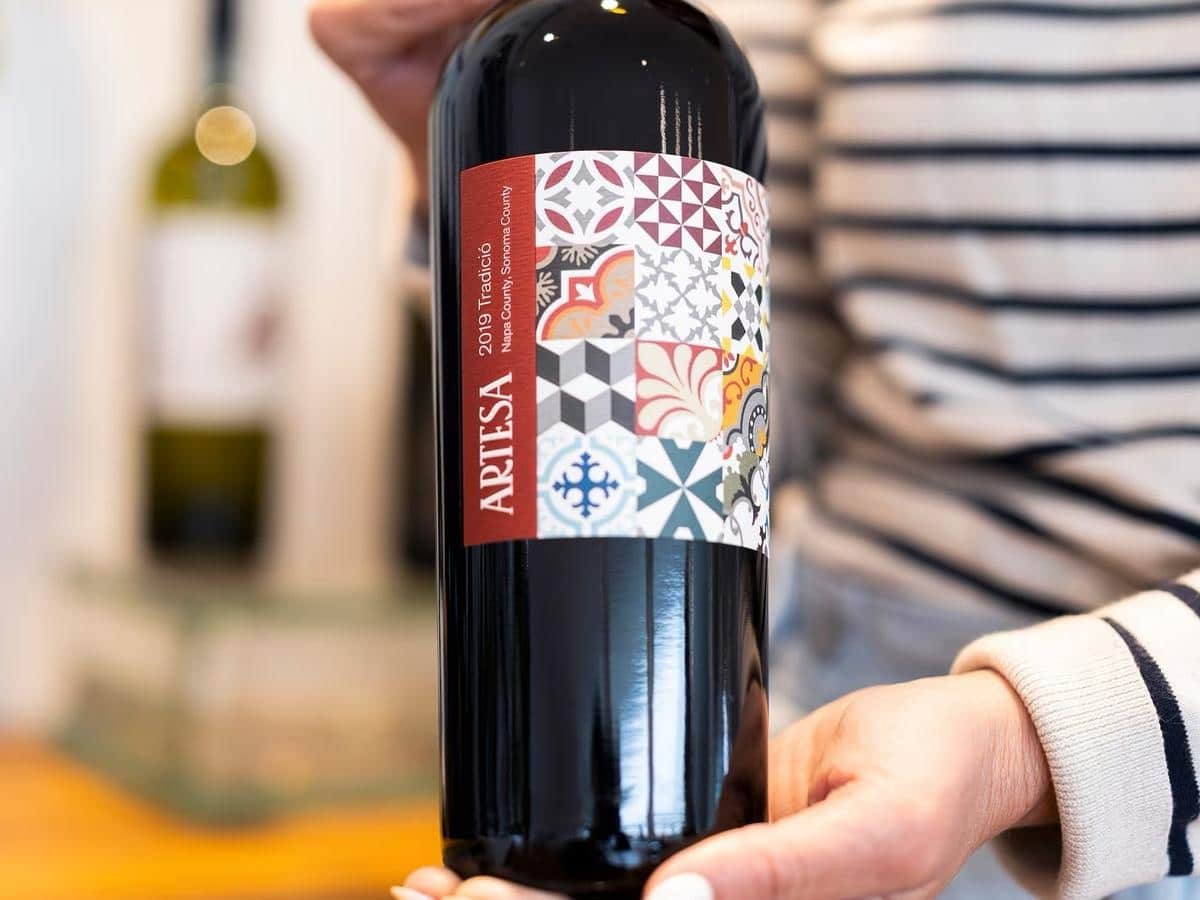
Wine-wise, we think of Artesa as “Carneros with a Spanish accent”: you’ll see the classics (Chardonnay, Pinot Noir, Cabernet), but also a fun thread of Spanish heritage that shows up in experiences and certain varietals.
History
Here’s the part we love telling friends: Artesa comes from Raventós Codorníu (Spain’s oldest winemaking family) who came to Napa in 1991 with a mission to make top-tier sparkling wine (it originally launched as “Codorníu Napa”). As the site proved it could do gorgeous still wines too, the Artesa name was introduced in 1998, a Catalan word tied to the idea of “handcrafted.”
It’s one of those “old-world roots, new-world canvas” stories: centuries of tradition, then a bold decision to build something modern and unmistakably California on a windy Carneros hillside.
Sustainability
They farm the estate with a clear sustainability focus, including Napa Green Land certification and Fish Friendly Farming certification. It’s not presented like a checkbox but more like part of the identity of protecting a rugged, wind-swept site that they plan to be on for the long haul.
Atmosphere
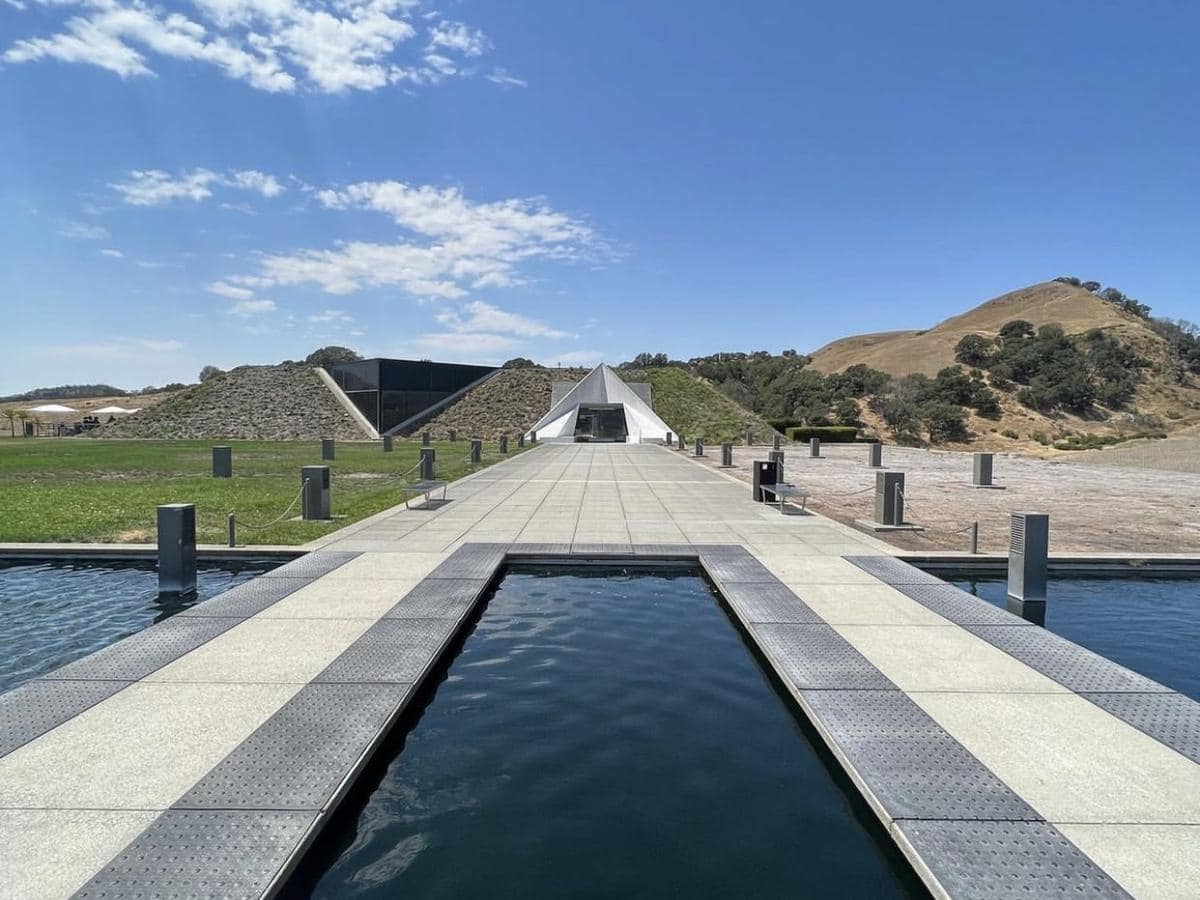
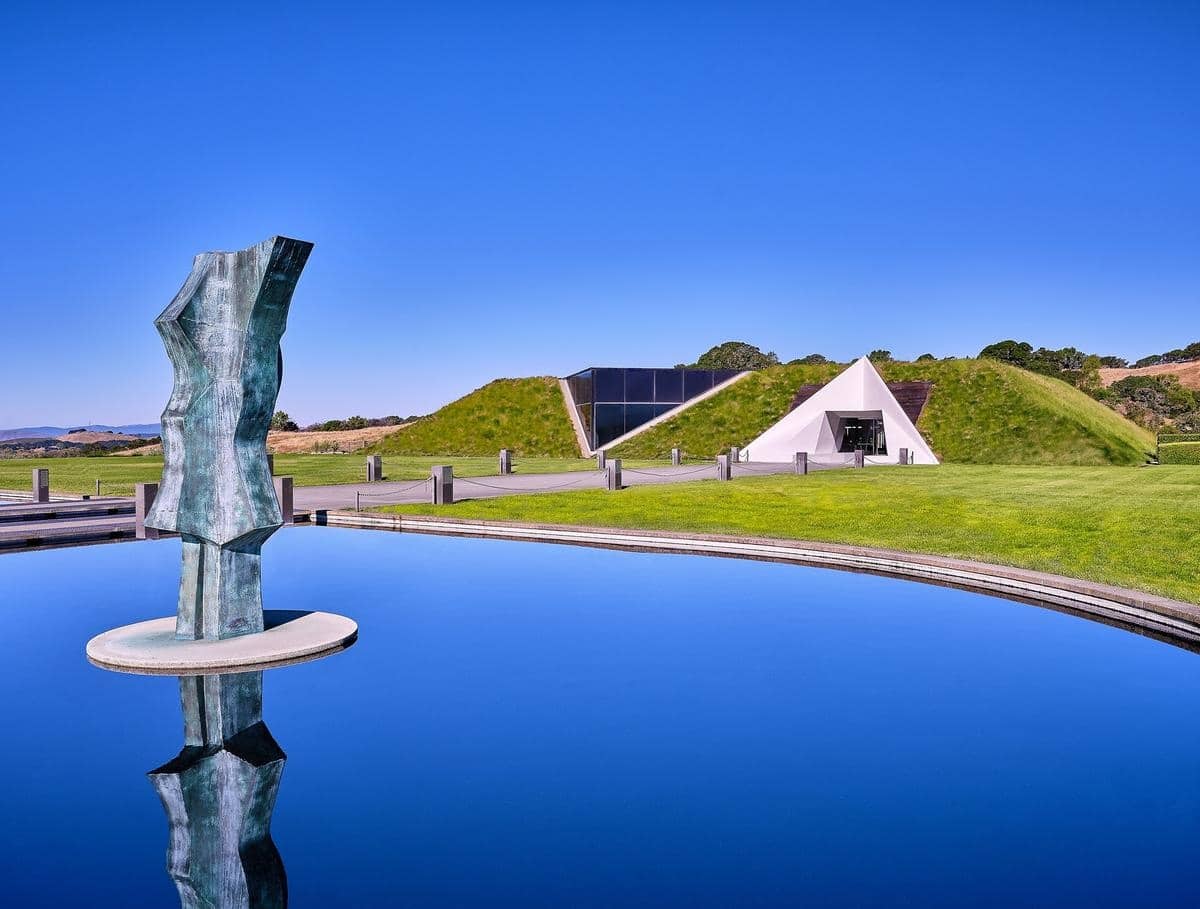
Artesa is modern, clean-lined, and quietly dramatic. The winery is designed to blend into the hill (so from certain angles it almost disappears), and the approach feels like a little procession with steps, water, sky, and vineyards. The whole place reads like architecture you can drink at.
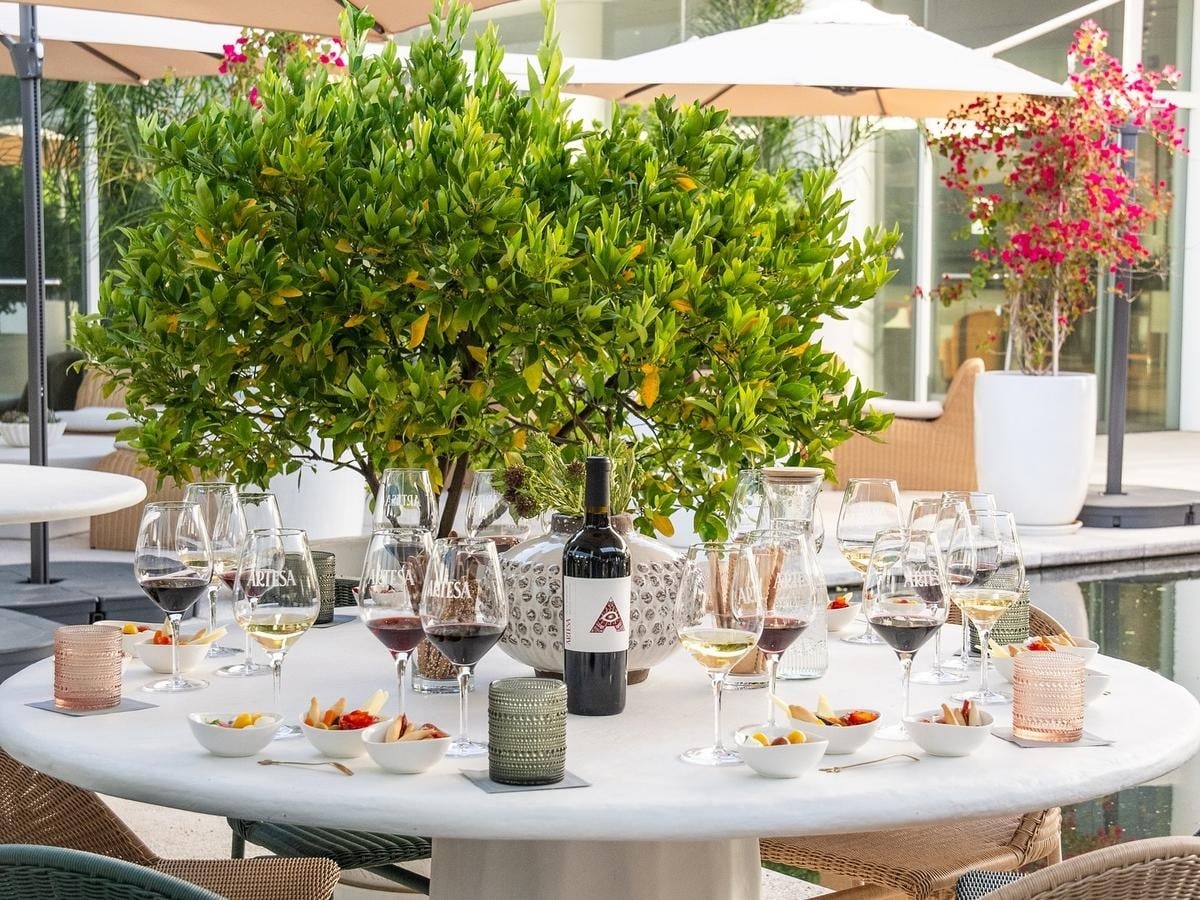
Outside is where most people melt: open-air terraces with those sweeping Carneros sightlines. Inside, it’s sleek and gallery-like, more “cool and calm” than “rustic barn.”
Experience
Most visits play out the same way (in a good way): you arrive planning to do a quick tasting, and then you end up lingering because the view is doing half the hosting. People consistently leave talking about three things: the scenery, the polished-yet-warm hospitality, and how easy it feels (even if you don’t know a ton about wine).
Artesa is a great “first Napa stop” because it sets the tone without feeling stuffy. Tastings are typically structured flights, and many experiences are bookable through Tock (so it’s smart to reserve, especially on weekends).
Unique Elements
- The building itself is the attraction. Artesa’s hillside design is a big deal in wine-architecture circles (it’s even been called out for how seamlessly it merges with the landscape).
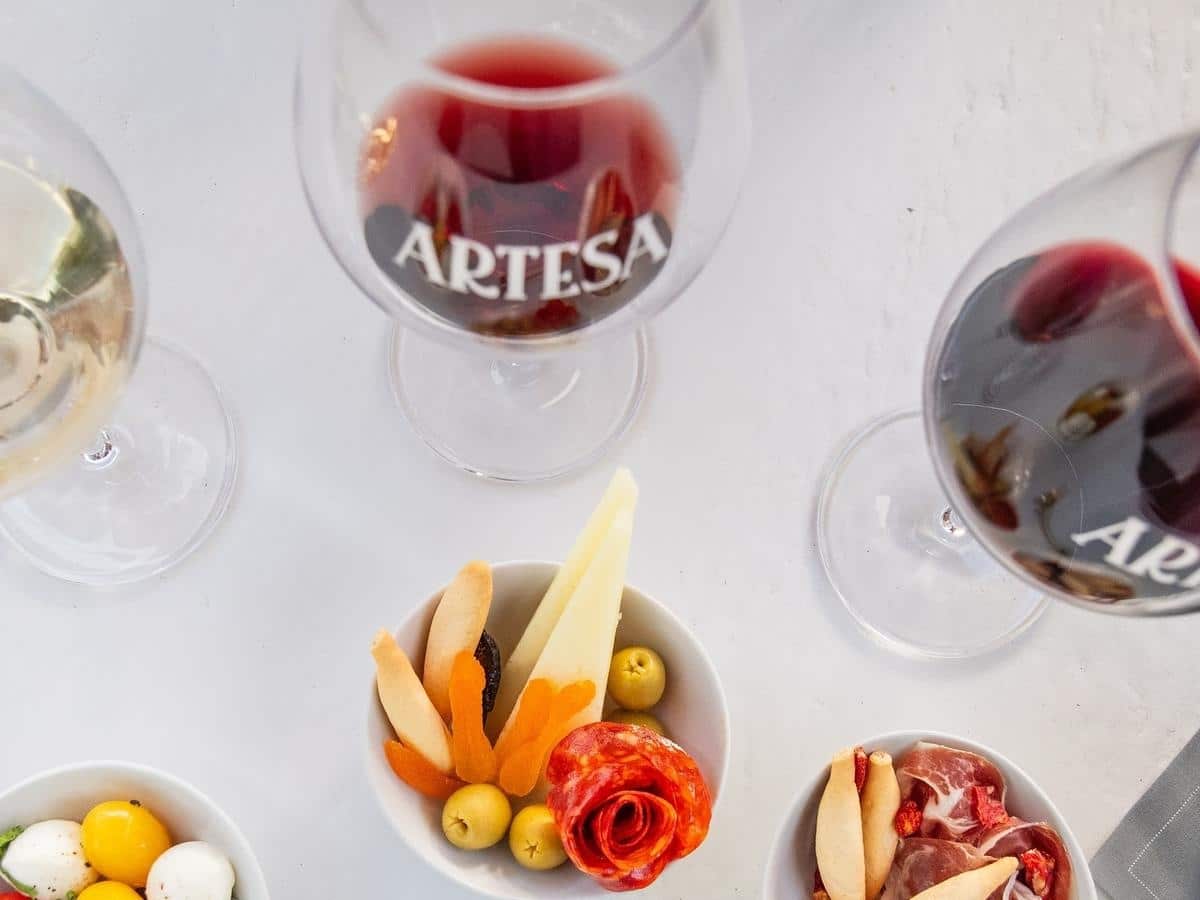
- Spanish-heritage experiences. You’ll see that influence in offerings like their Iberian-themed experiences (the vibe is “wine vacation,” not “wine exam”).
- A serious Carneros site. The estate spans about 150 acres and is divided into 50+ blocks, which is a fancy way of saying they treat different hillside nooks like their own little ingredients.