Napa
Atlas Peak AVA
Napa’s “above-the-fog” Cabernet country, where height brings freshness
Details about Atlas Peak AVA
Overview:
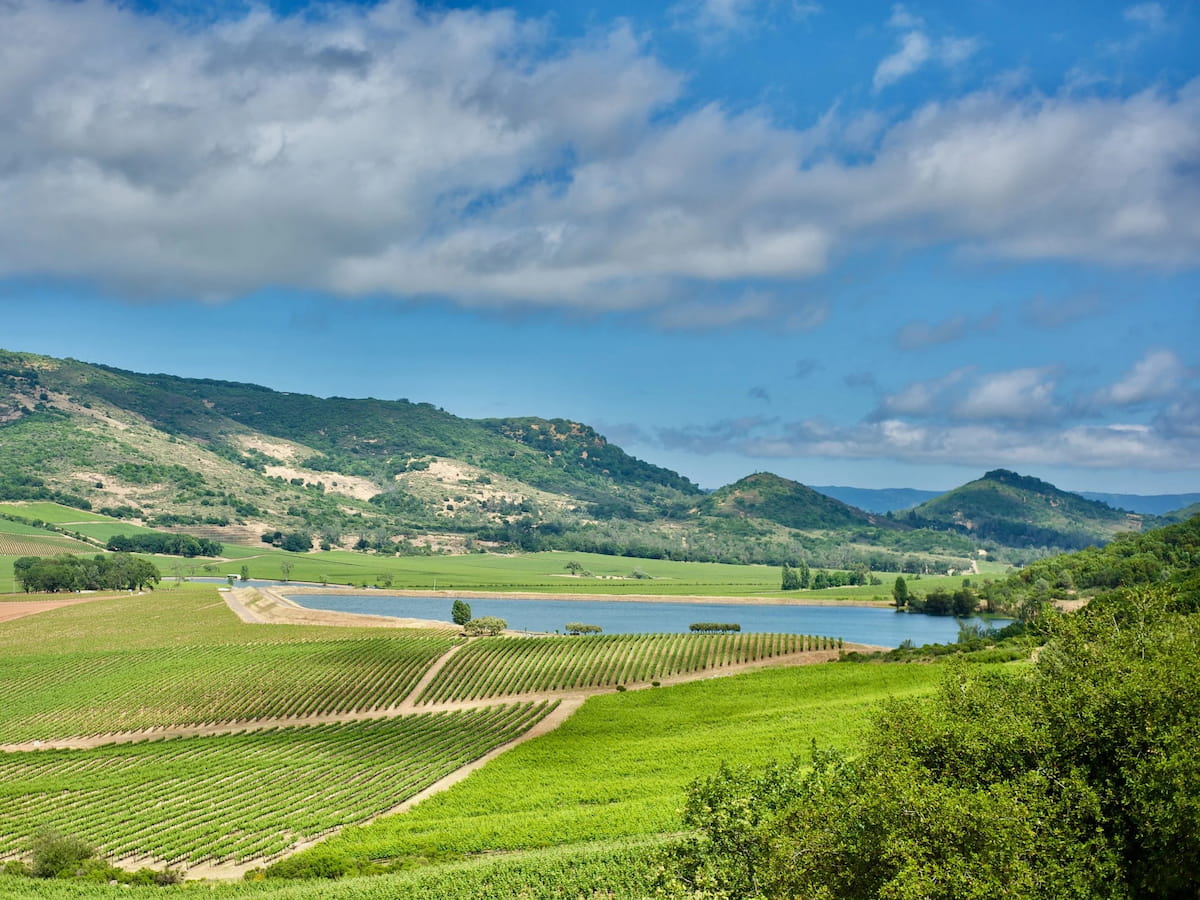
Atlas Peak is Napa’s high-elevation neighborhood on the Vaca Mountains, where vineyards sit up in the air and often above the fog. That extra altitude gives you mountain-grown intensity, but with a surprisingly bright, fresh edge in the wine.
Location:
You’ll find Atlas Peak on the eastern side of Napa Valley, up the winding roads off Soda Canyon Road and Atlas Peak Road, northeast of the city of Napa. Most vineyards sit roughly 760 to 2,600 feet up, with a lot of the area planted over 1,400 feet, so it truly feels like “Napa from above.”
Terroir Details
Elevation: ~760–2,600 ft. Higher sites mean cooler air and more UV intensity, which helps grapes build color and structure without turning jammy.
Climate: Think cooler than the valley floor and often above the fog line, so you get clean mornings and strong afternoon light. It can run 10–15°F cooler than lower Napa in summer, which helps keep freshness in the fruit.
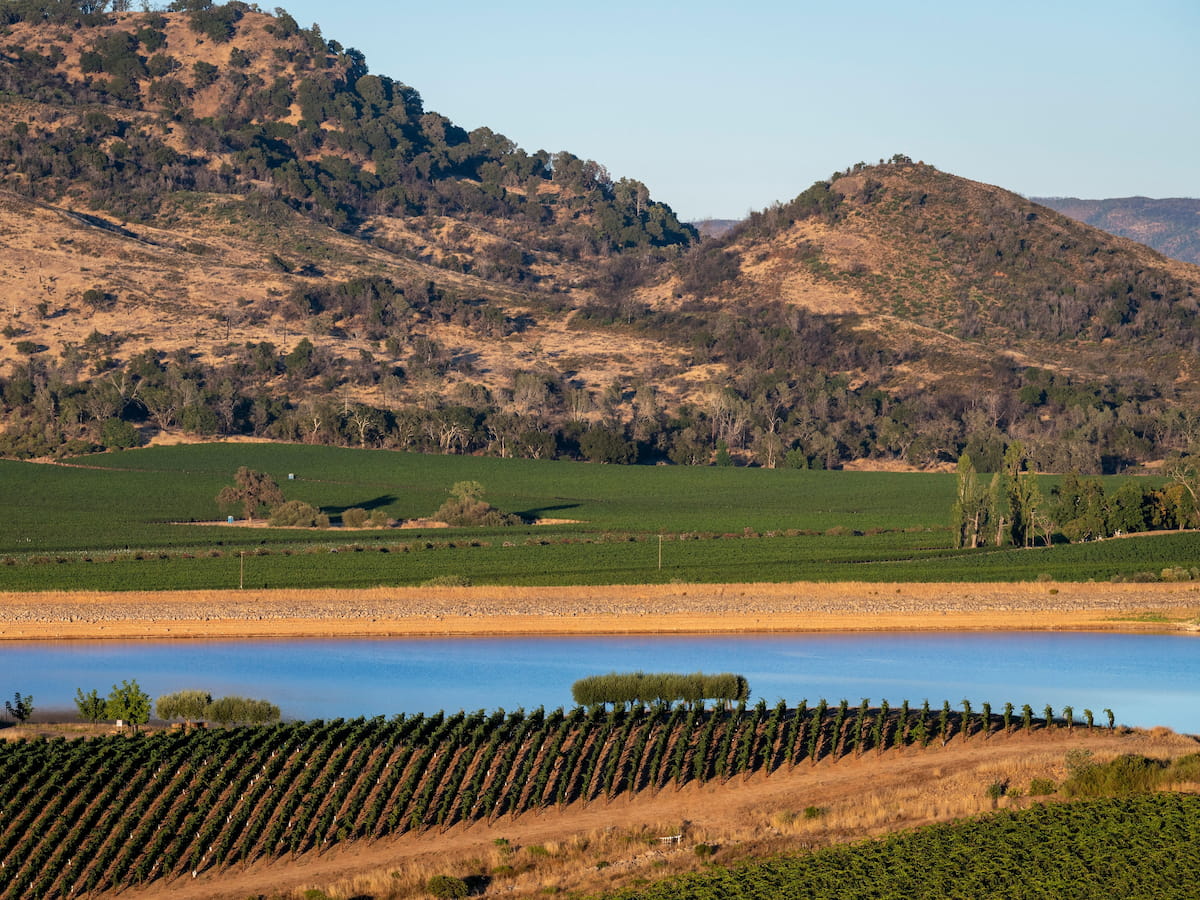
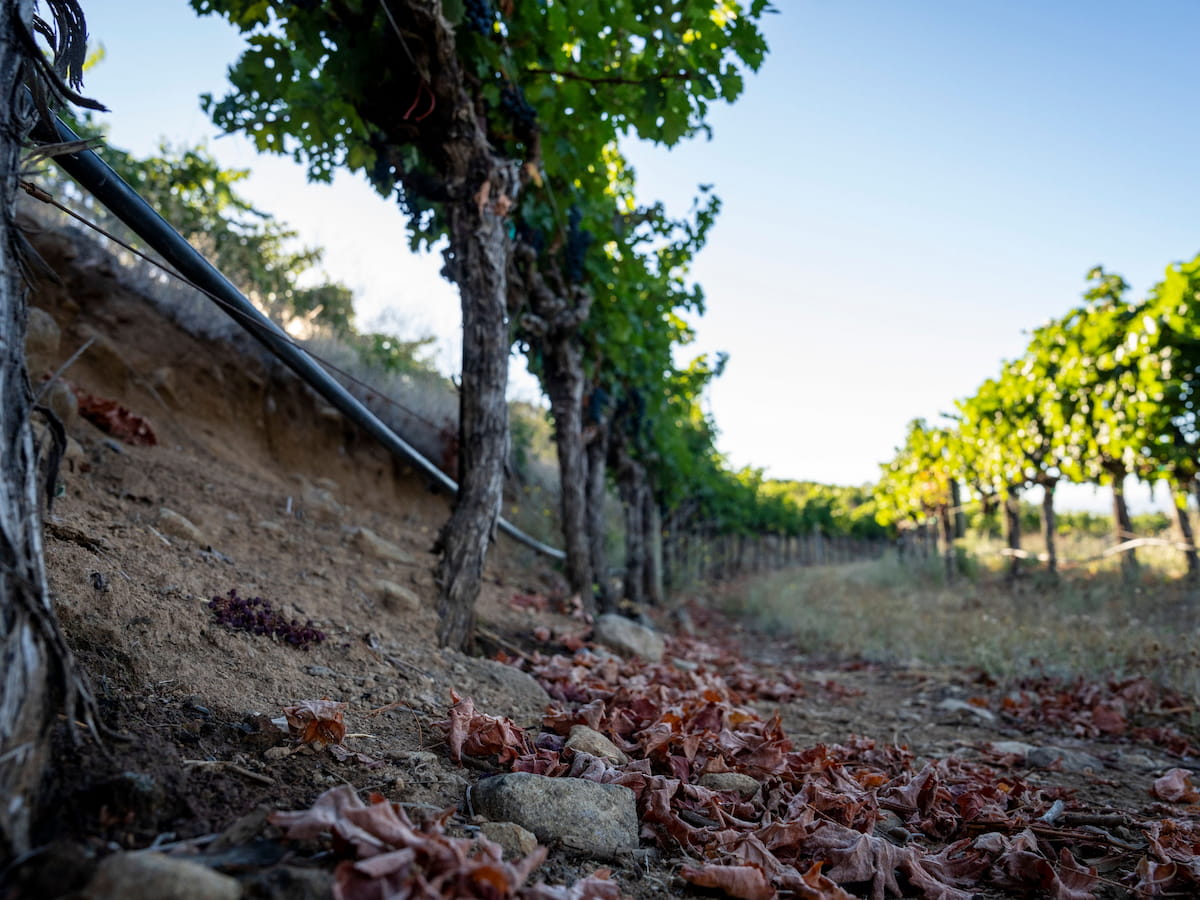
Soils: Largely volcanic, often shallow and rocky (including red basalt), with limited water holding. Vines have to work, which usually translates to smaller berries and more concentration.
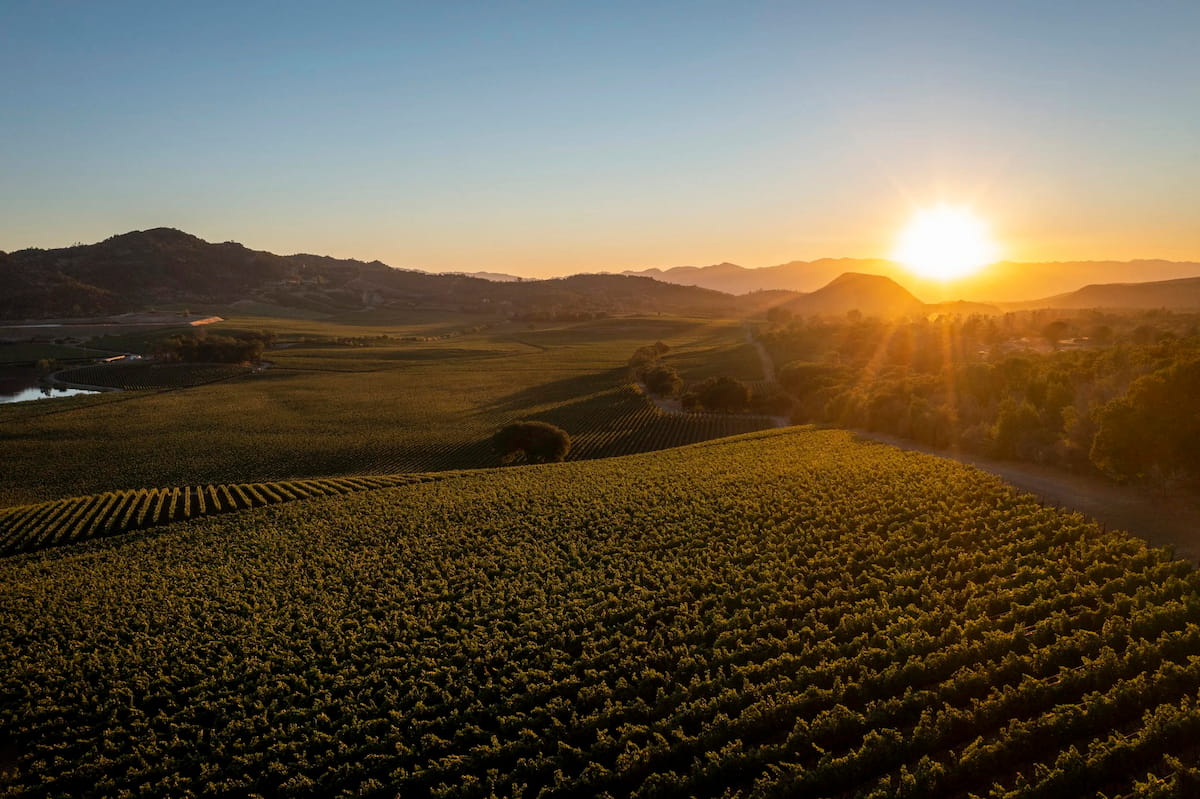
Sun Exposure: Many sites face westward, catching long afternoon sun. That extra light helps ripen mountain fruit fully, while the cool air keeps flavors focused and lifted.
History:
Vines first arrived on Atlas Peak in the 1870s, and by the late 1800s the area had real momentum, including early local winemaking (like Romain C. DeBoom’s 1880s-era Atlas Peak wine). Prohibition slowed everything down, but plantings returned in the 1940s, and the region’s modern identity kept building until Atlas Peak earned official AVA status in 1992.
Interesting Facts:
- Atlas Peak tops out at about 2,663 feet, making it a major landmark on this side of Napa.
- The area’s character is shaped by big cuts in the landscape like Milliken Canyon and Rector Canyon, which influence airflow and vineyard pockets.
Napa Valley Vintners - In 2020, parts of Atlas Peak were evacuated during the Hennessey Fire.
Signature Feature:
If you remember one thing: Atlas Peak is “mountain Napa” with a freshness bonus. The combination of high elevation (often above fog) plus volcanic, well-draining soils tends to give wines that feel structured and powerful, but also bright and energetic rather than heavy.
Wine related informations
Tasting Notes:
Wines from Atlas Peak often come across as dark-fruited and mountain-structured, with firm, confidence-building tannins and a fresh snap that keeps things vivid. You’ll commonly taste flavors like black cherry, blackberry, cassis, plus savory notes that can feel like dried herbs, cocoa, and a stony or dusty “volcanic” edge. That “fresh but intense” balance is the Atlas Peak calling card.
Food Pairings:
- Grilled steak or tri-tip (the structure loves char and protein)
- Rosemary lamb chops (great with the herbal, mountain-savory side)
- Mushroom risotto or roasted mushrooms (plays beautifully with earthy notes)
- Aged cheddar or gouda (the salt and nutty flavors soften tannins)
Signature Wines:
Atlas Peak is most celebrated for mountain Cabernet Sauvignon and Bordeaux-style blends. The altitude and volcanic soils tend to produce Cab that’s deep and muscular, yet clean-lined, with the kind of structure that ages gracefully. You’ll also see mountain Chardonnay from certain pockets, often showing bright acidity and a more crisp, focused feel than richer, warmer sites.