Sonoma
Alexander Valley AVA
Sonoma’s sunny Cabernet valley with cool-night polish
Details about Alexander Valley AVA
Overview:
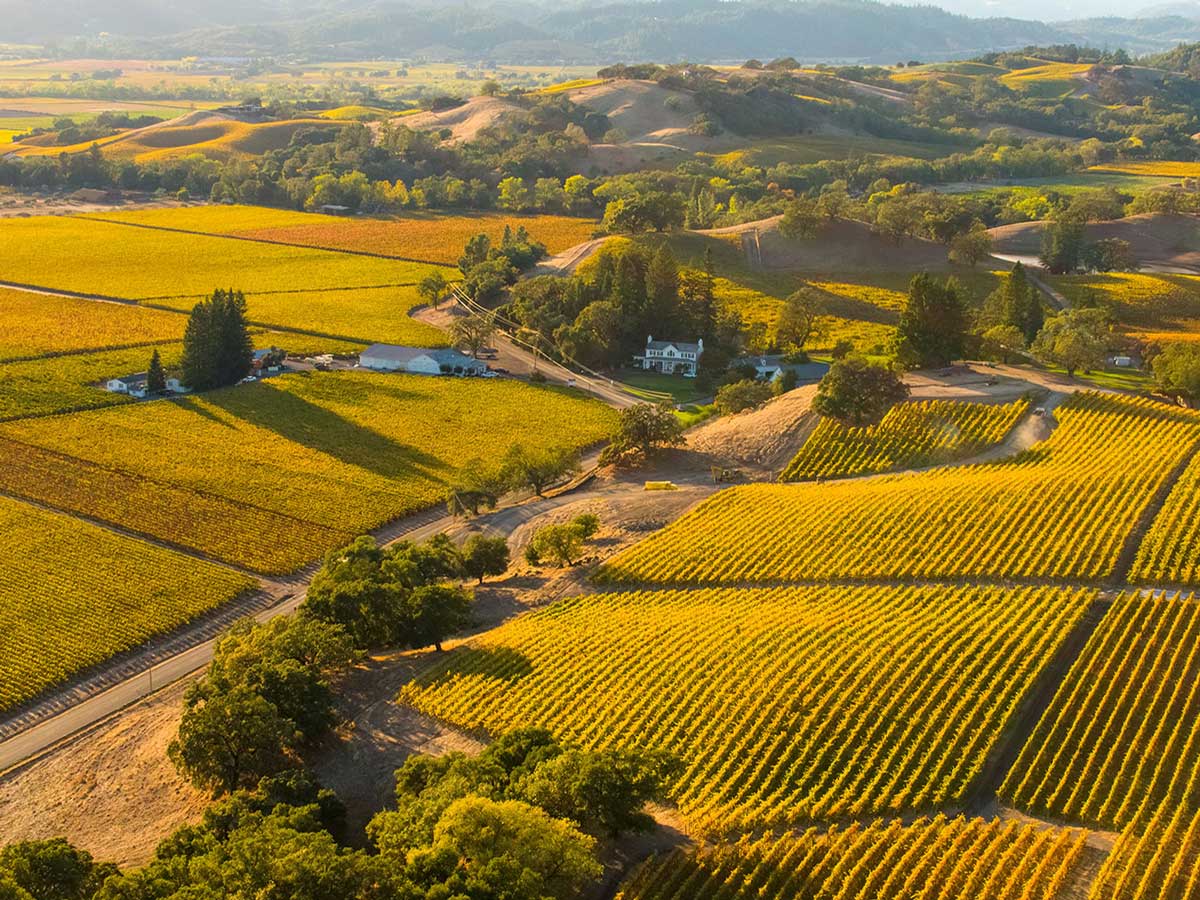
Alexander Valley is where Sonoma turns up the sunshine, but still keeps its balance. You get warm days for ripe fruit, then a real nighttime cooldown that helps wines taste fresh instead of heavy.
Location:
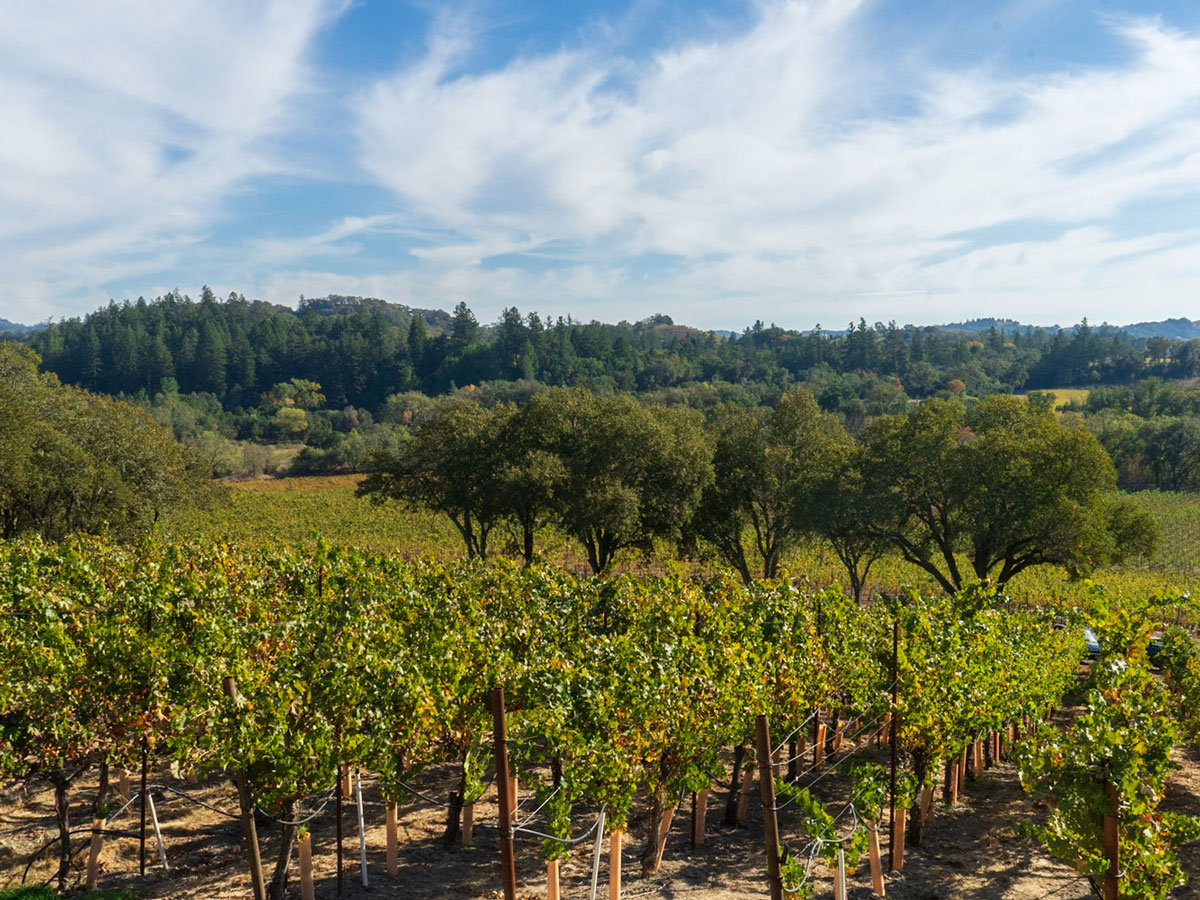
You’ll find Alexander Valley in northeastern Sonoma County, just north of Healdsburg and around Geyserville, stretching roughly 25 miles up the valley with the Russian River winding through. It’s about 75 miles north of San Francisco, so it’s a very doable day trip.
Terroir Details
Elevation: ~400 to 2,500 ft. Higher sites get more sun above the fog line and often ripen a bit later, building deeper color and structure.
Climate: One of Sonoma’s warmer inland spots, but cooled by marine air moving in through the Russian River corridor, creating a big day-to-night temperature swing that helps preserve acidity.
Soils: A mix of well-drained, rocky benchlands and more varied hillside soils, including gravel, sand, clay, and calcium-rich pockets. Less fertile, fast-draining soils naturally keep vines in check, which often means more intensity in the glass.
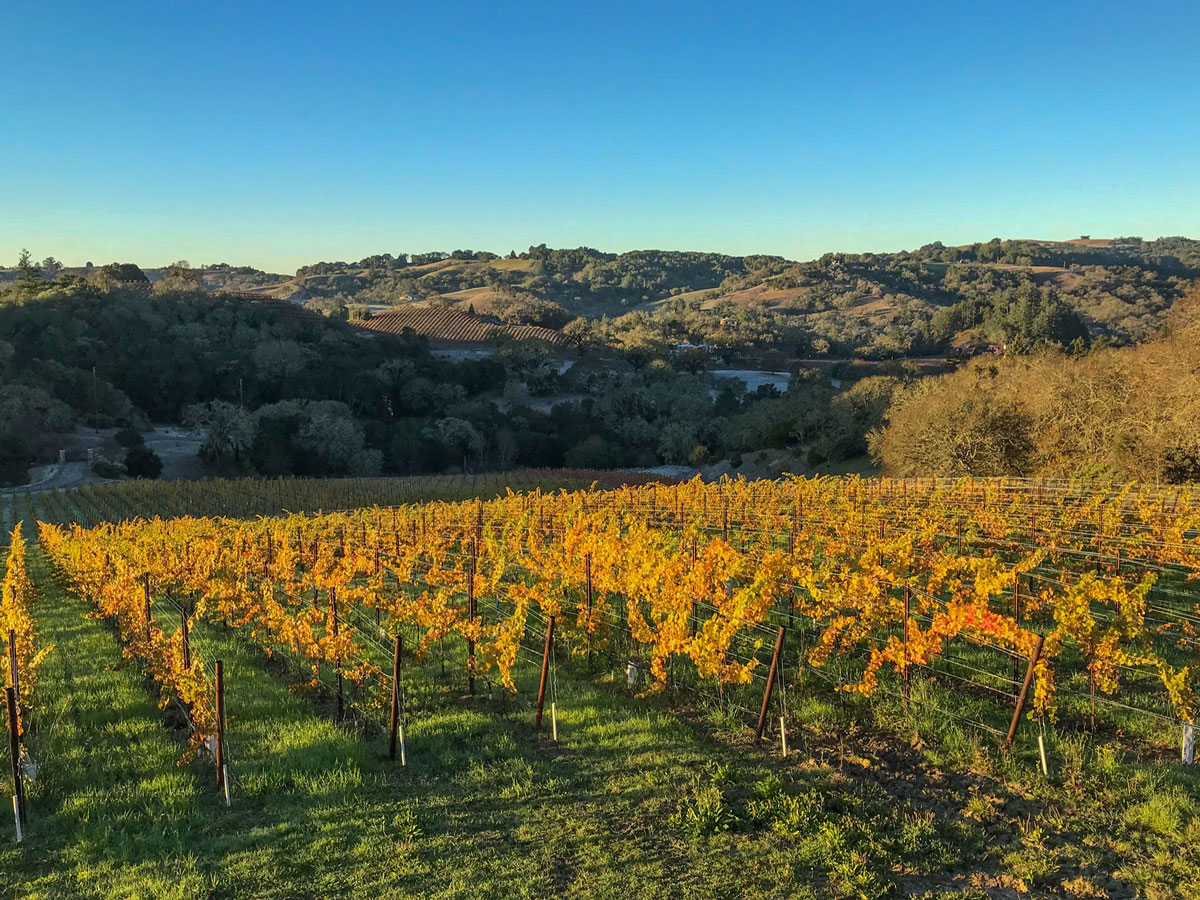
Sun Exposure: Many prized sites sit on west and southwest-facing slopes of the Mayacamas, soaking up afternoon sun and helping Cabernet reach full flavor without losing shape.
History:
The valley’s story starts early, with Cyrus Alexander arriving in 1840 and planting some of the first vines. Commercial winemaking followed by the late 1800s, then Prohibition and shifting agriculture slowed things down. The modern quality era really took off in the 1960s and 1970s with key Cabernet plantings, and the region earned AVA status in 1984, cementing its identity as “Cabernet country” in Sonoma.
Interesting Facts:
- Most vineyards sit on benchlands: A big share of plantings are on the gently rising benches, not the flat valley floor, because those soils can be a sweet spot for Cabernet quality.
- A long, reliable season: Around 240 frost-free days gives growers flexibility to let fruit hang for flavor without rushing.
- Cabernet is truly the star: It’s the most widely grown grape here, and the region has built its reputation around it.
Signature Feature:
If you remember one trait about Alexander Valley, remember this: it’s warm enough to fully ripen Bordeaux grapes yet cool enough at night to keep wines bright, juicy, and age-worthy. That big day-night contrast gives its wines both fruit richness and lively structure.
Wine related informations
Tasting Notes:
Across the appellation, Alexander Valley wines often show dark fruit (think blackberry and black cherry), herbal and tobacco-like notes, and confident but polished tannins. You’ll usually taste ripeness from the warm days, but also a clean line of freshness from the cool nights, so the finish feels steady and age-worthy.
Food Pairings:
- Grilled meats (tri-tip, burgers, short ribs) with a little char
- Herb-roasted lamb or pork (rosemary and thyme love these wines)
- Mushroom dishes (risotto, grilled mushrooms, truffle fries) for that earthy echo
- Aged cheeses (aged cheddar, gouda) for a rich, savory match
Signature Wines:
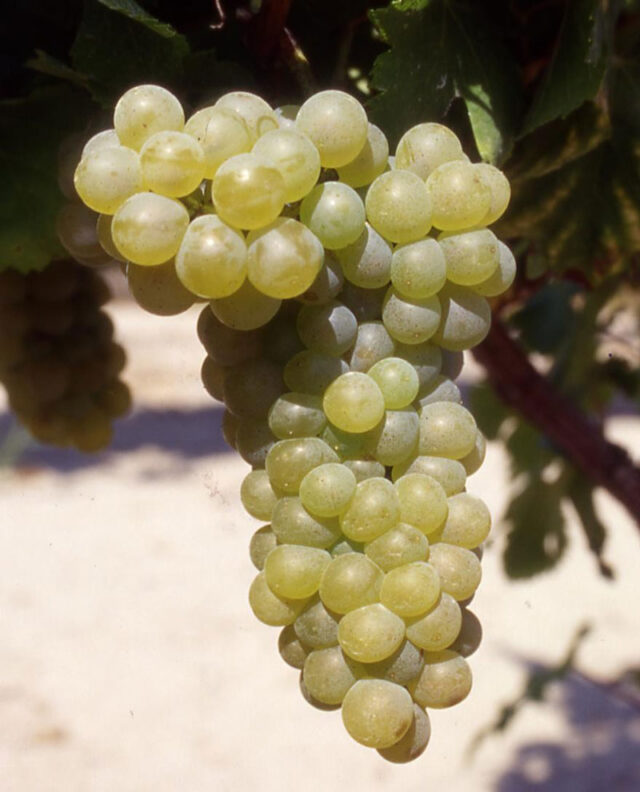
Alexander Valley is celebrated for Cabernet Sauvignon and Bordeaux-style blends that deliver both ripe Sonoma fruit and serious structure, especially from the benchlands and mountain-adjacent sites. Chardonnay also shines here with a slightly richer, more sun-kissed profile, often leaning into ripe citrus and tropical notes thanks to the warm climate.