Napa
Matthiasson Winery
A small, organically farmed family operation founded by two of Napa’s most respected sustainable farmers, making elegant, food-friendly wines that go against the high-alcohol grain.
Overview
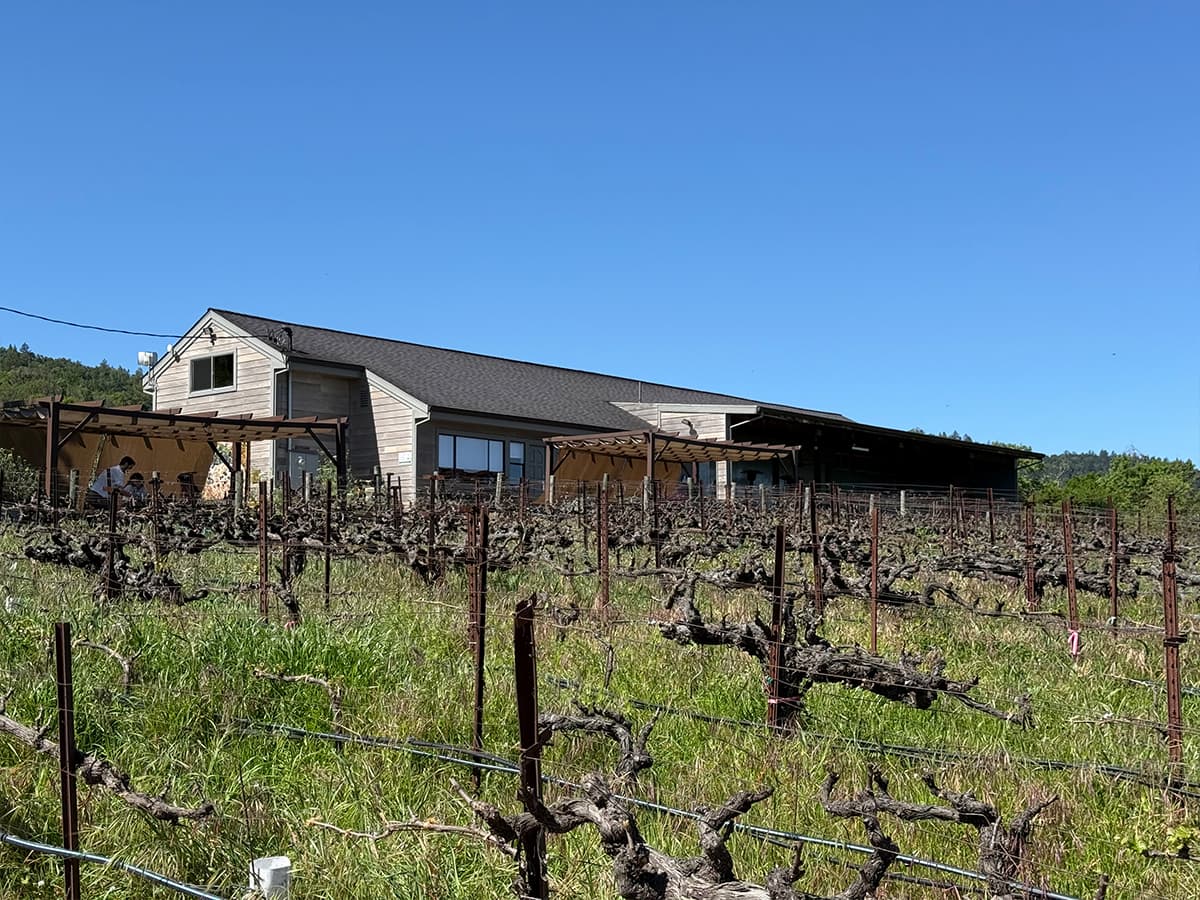
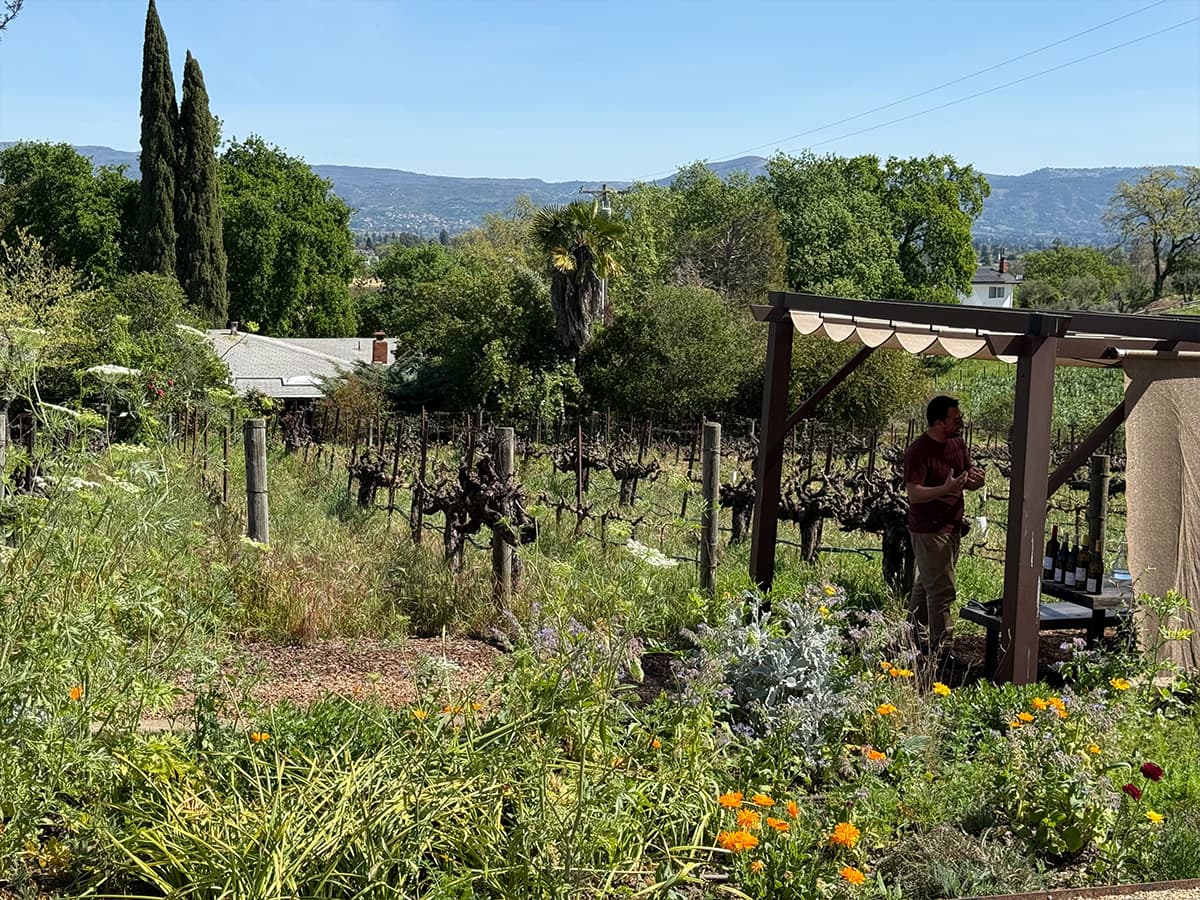
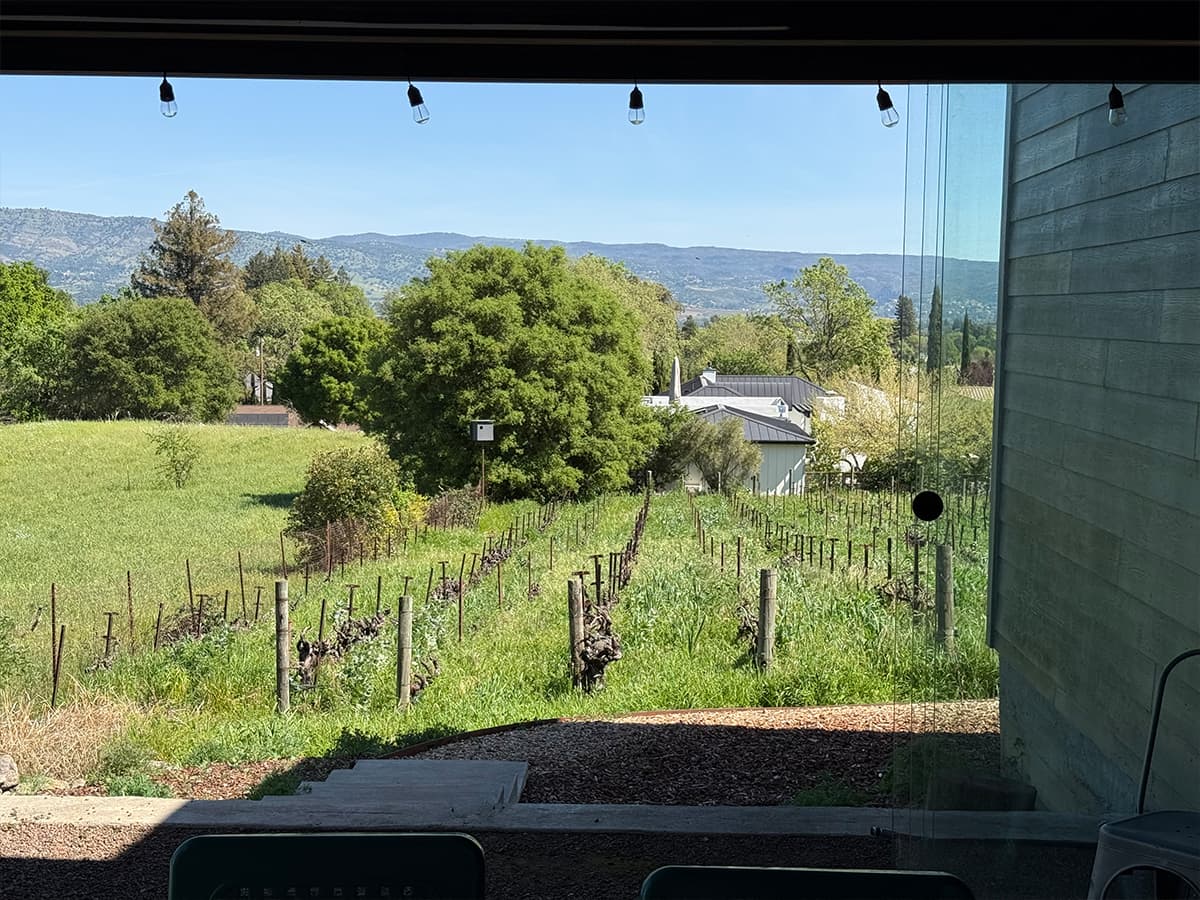
Matthiasson sits on Dry Creek Road in the Oak Knoll District, on the western side of southern Napa Valley. Tastings happen outside in the vineyard, overlooking their Phoenix Vineyard, with views back across Napa Valley. The lineup is unusually broad for a small Napa producer: Cabernet Sauvignon and Chardonnay alongside Italian varietals like Ribolla Gialla, Refosco, Schioppettino, and Lagrein. Their flagship “Napa Valley White Wine” is a field blend that’s developed a real cult following. Production hovers around 8,500 cases across roughly 85 acres of estate and managed vineyards.
History
Steve and Jill Matthiasson founded the winery in 2003. Steve grew up in Winnipeg, studied philosophy, got into gardening, and ended up at UC Davis studying agriculture. Jill came from Pennsylvania, studied botany, and worked for a family farming nonprofit before they met in Davis. Both were deep in the sustainable agriculture movement.
Steve became one of Napa’s most in-demand vineyard consultants through his company Premiere Viticulture, advising estates like Spottswoode, Stag’s Leap Wine Cellars, Chappellet, and Robert Sinskey. The first Matthiasson wines were made in a rented garage. They bought their first vineyard in 2006 and planted Italian varietals alongside Bordeaux grapes, and the operation has grown steadily without losing its family-run character.
Sustainability
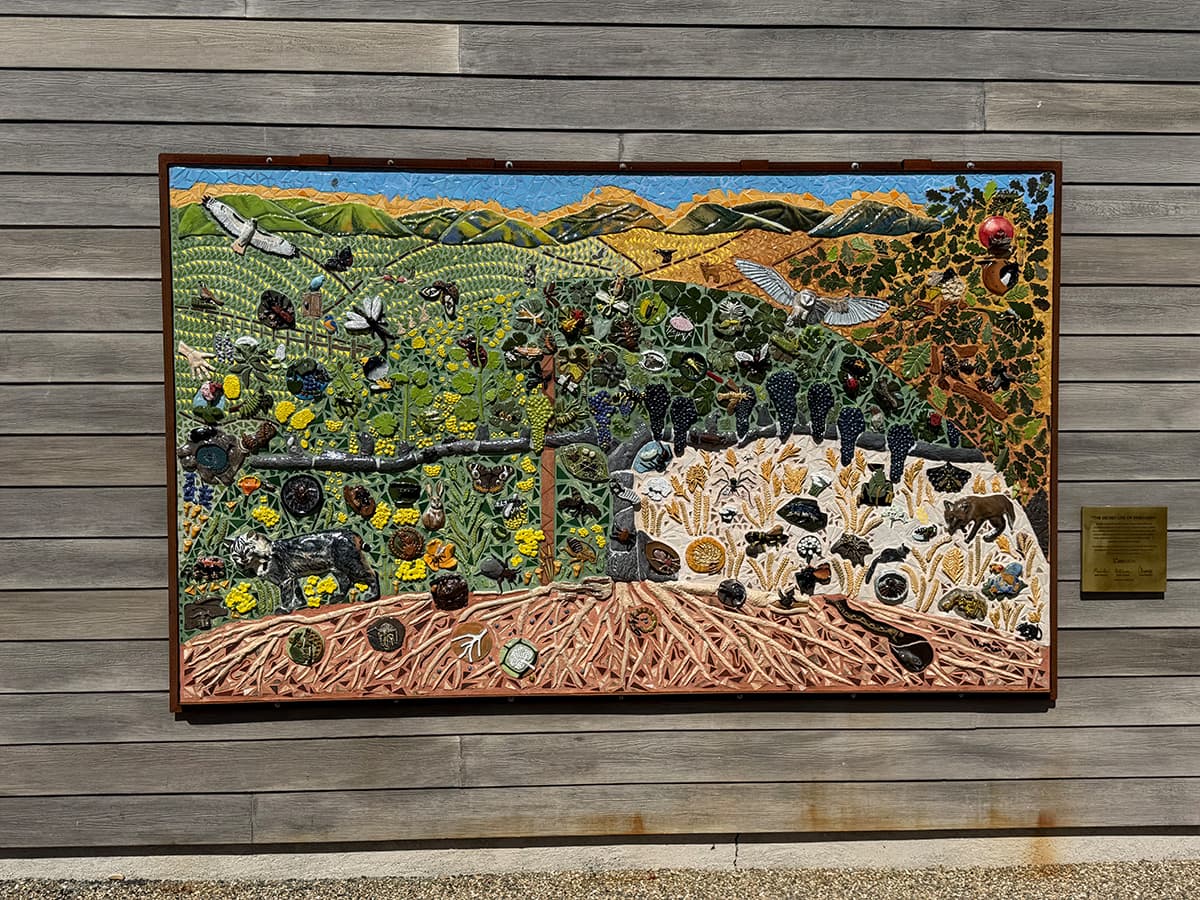
Sustainability isn’t a marketing angle here. It’s the entire foundation of the business. Steve and Jill spent years working in sustainable agriculture before they ever bottled wine, and Steve’s consulting practice taught some of Napa’s most prestigious estates how to farm more thoughtfully. Their own vineyards use no-till farming where possible, native hedgerows, cover crops, and habitat for beneficial insects, hawks, and owls. They’ve also been vocal about labor practices and supporting vineyard workers as part of a broader sustainability picture. The goal is to leave the soil and ecosystem better year over year, not just maintain what’s there.
Atmosphere
The tasting space is outdoors, set up at picnic tables in the vineyard with a view across the valley toward the Mayacamas. There’s no grand winery building or polished hospitality center. It’s a working farm, with the production facility tucked nearby and Jill’s fruit trees and gardens woven through the property. The vibe is unhurried and genuinely agricultural. Dogs wander, birds work the hedgerows, and the whole setting feels more like a friend’s farm than a destination winery.
Experience
Tastings are by appointment, capped at six guests per group, and run about 75 minutes. You’ll work through five or six wines with a dedicated host who knows the farming side as well as the wine side. The format is conversational and educational without ever feeling like a lecture. People consistently leave with a better understanding of why early picking, lower alcohol, and unusual varietals matter, and they leave with a different sense of what Napa wine can be. It’s an especially good stop for guests who already know wine and want something off the standard Napa script.
Unique Elements
- They grow rare Italian varietals like Ribolla Gialla, Refosco, Schioppettino, Lagrein, and Tocai Friulano, which you’ll find at almost no other Napa producer.
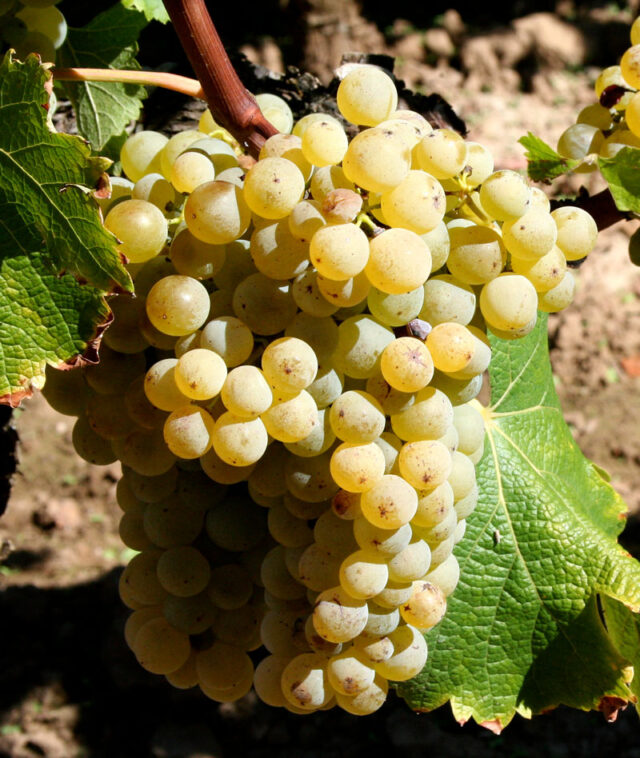
- Their Napa Valley White Wine is a field blend of Sauvignon Blanc, Semillon, Ribolla Gialla, and Tocai Friulano, and it’s become one of the most sought-after white wines in the valley.
- Steve picks fruit three to four weeks earlier than most Napa producers to make wines that finish around 12 to 13.5% alcohol, an approach that’s quietly influenced a generation of younger Napa winemakers.