Napa
Mumm Napa
The American expression of G.H. Mumm’s traditional method approach, focused on accessible, high-quality sparkling wine in a setting that draws repeat visits.
Overview
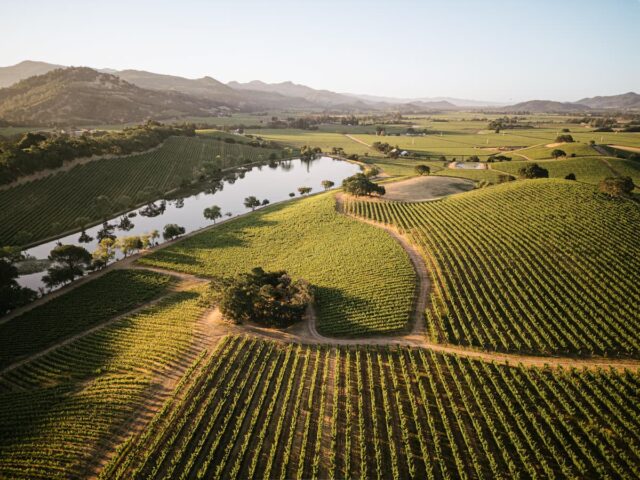
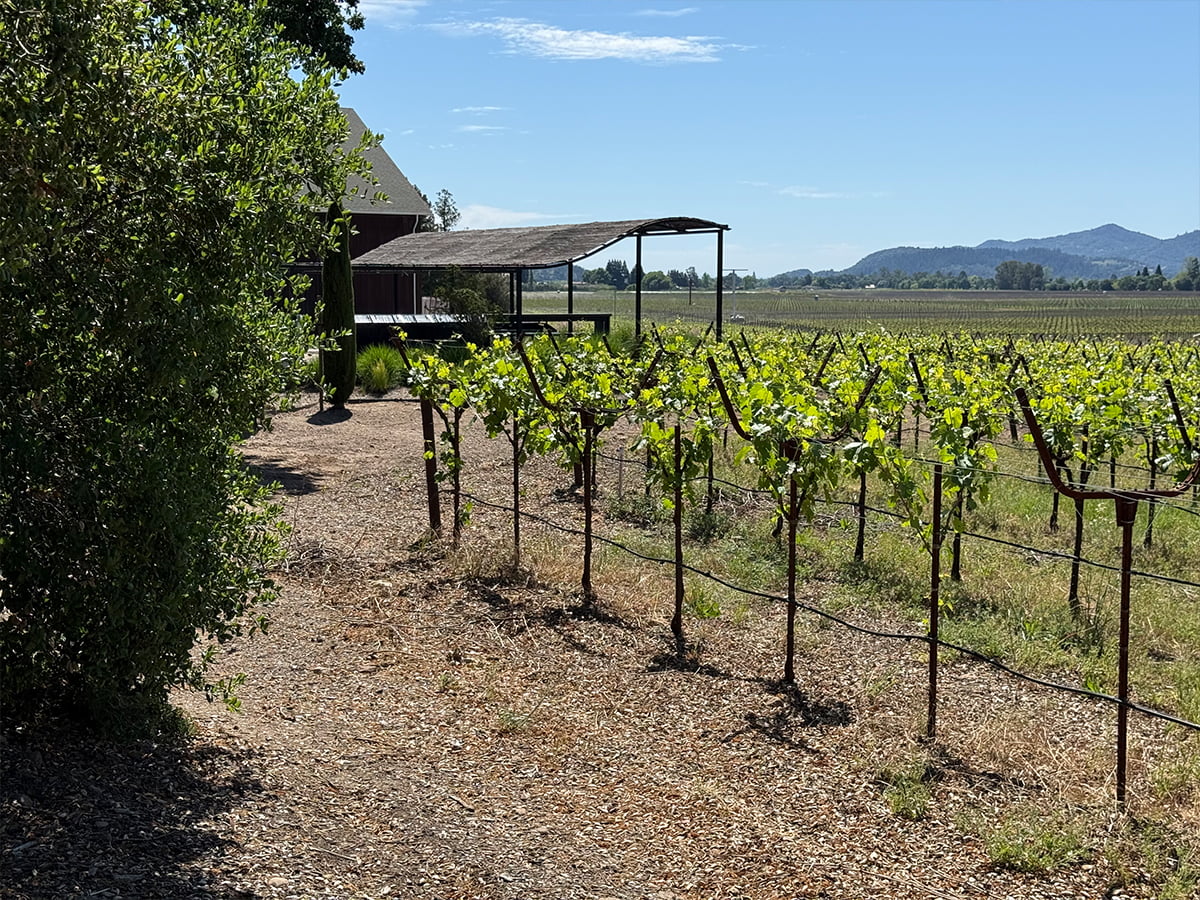
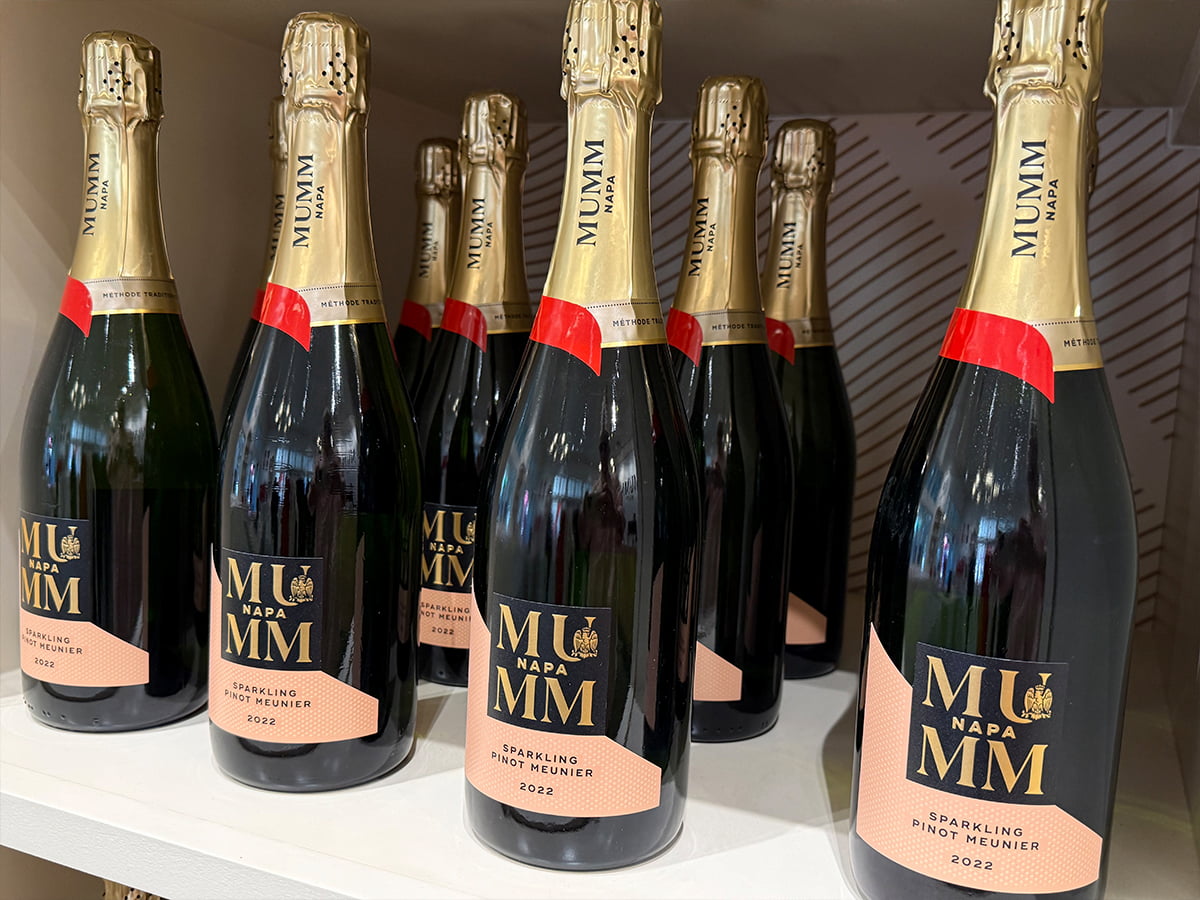
Mumm Napa sits along the Silverado Trail in Rutherford, with sweeping vineyard views toward the Mayacamas. The focus is sparkling wine made in the traditional method, with an entry-level lineup that’s widely distributed and a higher-tier program (DVX, Blanc de Blancs, Blanc de Noirs) you can really only find at the winery or through the club. Most of the fruit comes from cooler Carneros sites, including the 110-acre Devaux Ranch, since Rutherford itself is too warm for Pinot Noir and Chardonnay grown for sparkling. In late 2025, Trinchero Family Estates announced it was acquiring Mumm Napa from Pernod Ricard, with the deal expected to close in spring 2026.
History
The story starts in the late 1970s when G.H. Mumm, one of France’s iconic Champagne houses, sent winemaker Guy Devaux to scout California for a place to make American sparkling wine in the traditional method. He landed in Napa, and the first wines were released in 1983 under the Domaine Mumm label. The Rutherford winery and visitor center opened in 1990, at which point the brand was renamed Mumm Napa. The DVX tête de cuvée, named for Devaux himself, debuted as a flagship and in 2004 became the first California sparkling wine to score 94 points from Wine Spectator. Pernod Ricard owned the brand for decades. The Trinchero acquisition, expected to finalize in 2026, brings Mumm Napa back into the hands of a Napa-based family company.
Sustainability
Mumm Napa farms with sustainability in mind across their grower partnerships, including the long-running Devaux Ranch lease in Carneros. They use whole-cluster pressing with only the first, gentlest pressing going into the wines, and each cuvée is fermented separately to preserve character. Production practices emphasize minimal intervention and traditional method techniques, with most of the work happening in the cool, controlled environment of the underground cellars built into the hillside. The vineyard sourcing model lets them prioritize the right fruit from the right sites without owning every acre, which is its own form of sustainable practice.
Atmosphere
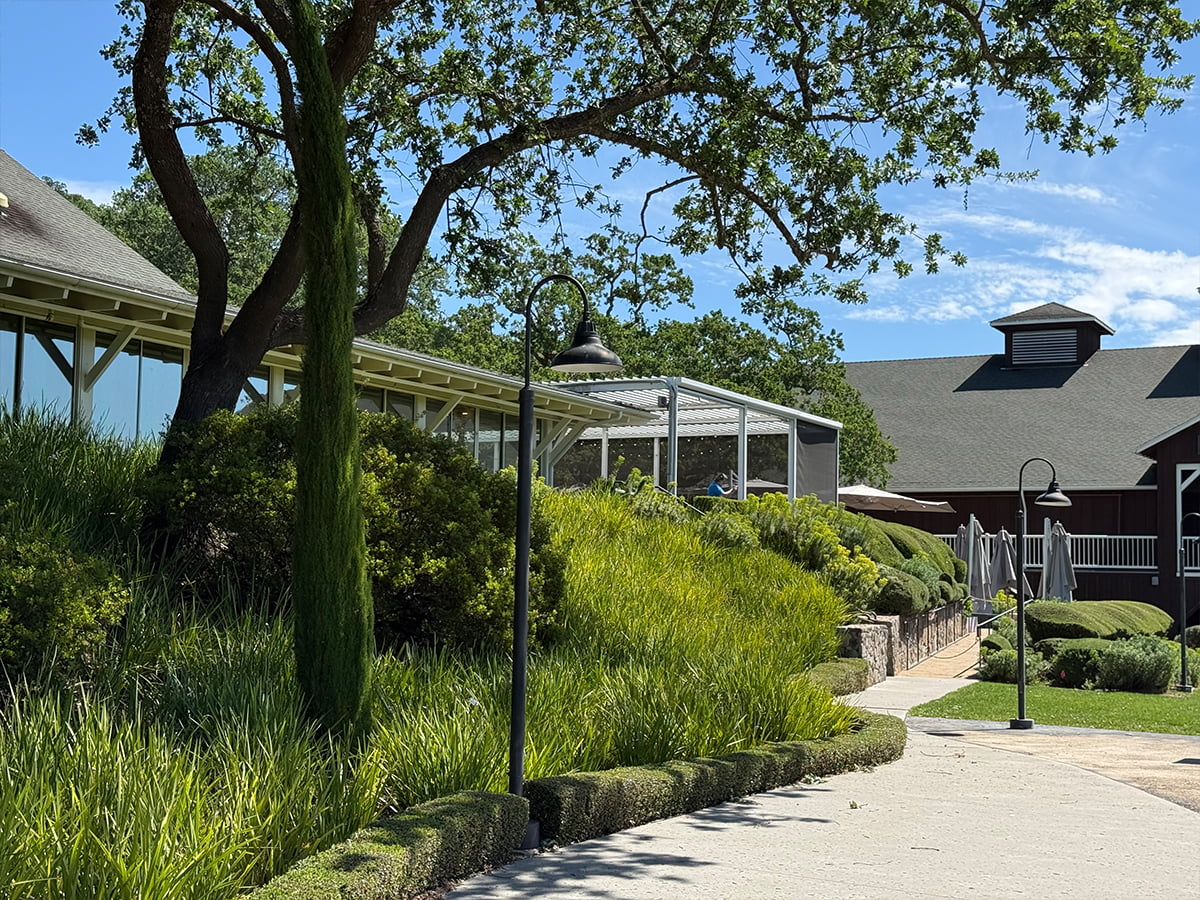
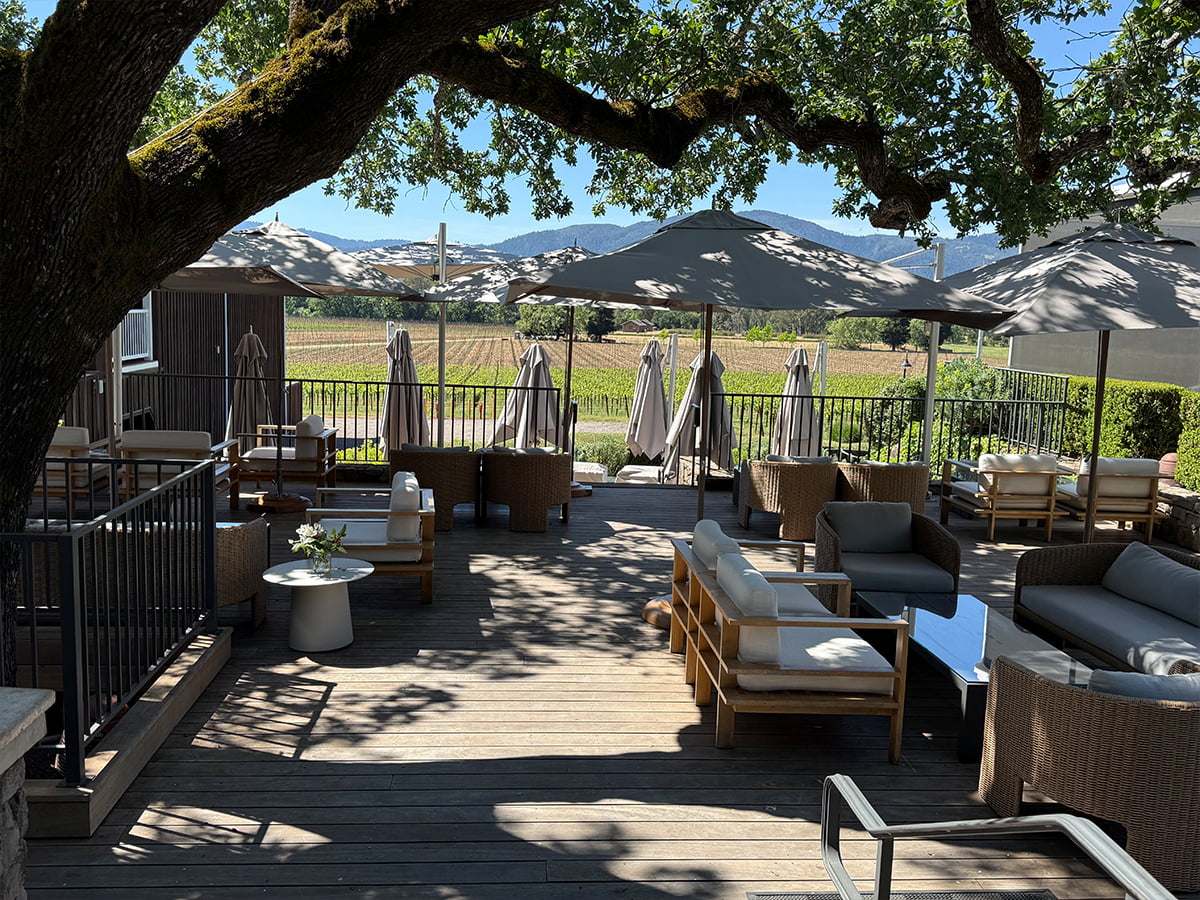
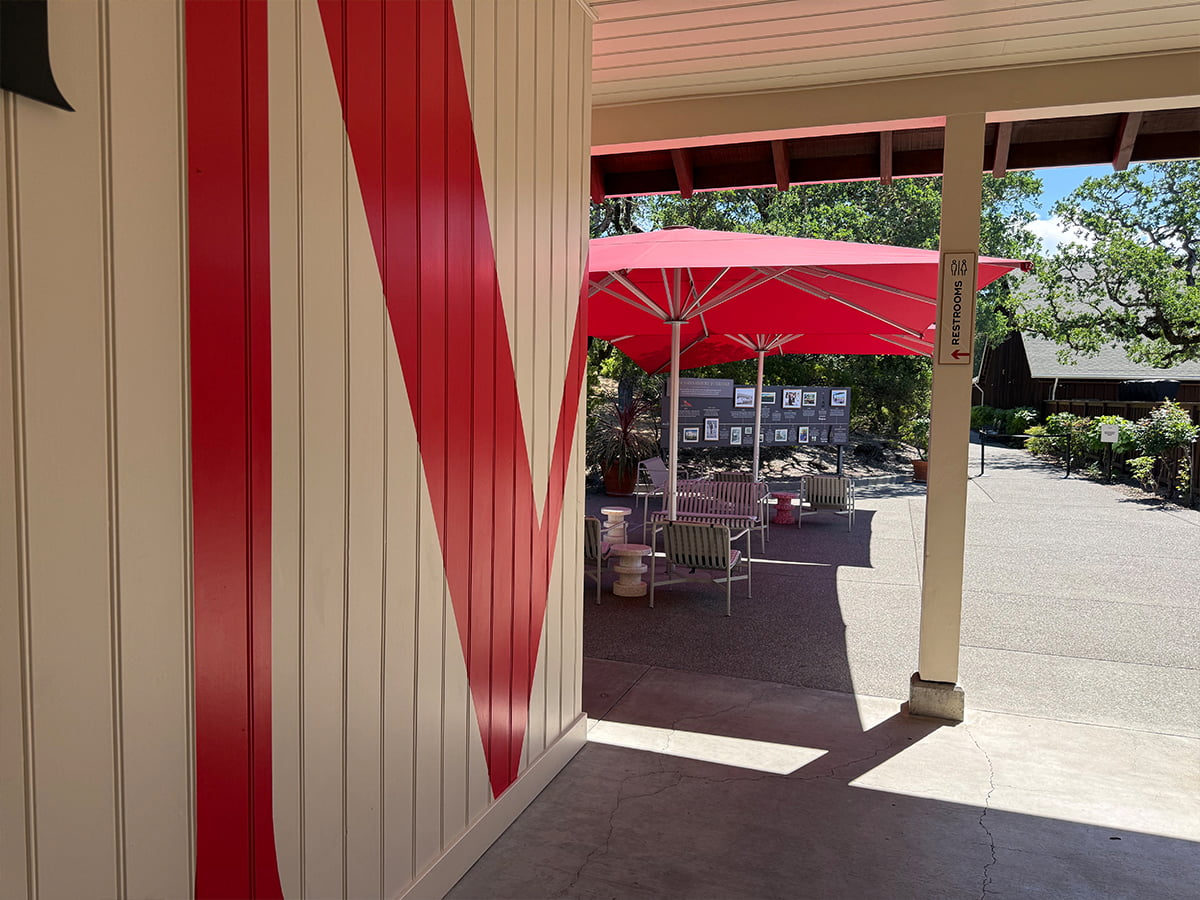
The winery sits low against the Vaca Mountain foothills, with the production facility built two stories below ground and the visitor center at vineyard level. The patio is the draw. Long, covered, and looking straight out across some of the most photographed vineyard rows in Napa, with Mount St. Helena in the distance. There’s also indoor seating in the salon for cooler days. A revolving photography exhibit fills the gallery space inside, including a permanent collection of Ansel Adams prints. It’s polished and well-run without feeling stiff. More approachable than the typical sparkling-house formality.
Experience
Tastings are seated, by reservation, and run about an hour. Most people come for the patio, and for good reason. You’ll work through a flight of three or four sparklers depending on which experience you choose, with options ranging from the core lineup to a reserve flight that gets into DVX and the Blanc de Blancs. The Oak Terrace tasting is a more elevated, smaller-group setting on a private patio with cheese pairings. The hosts are well-trained and consistently friendly, the pacing is unhurried, and it’s a stop that works equally well for sparkling fans and people just starting to figure out what they like.
Unique Elements
- The patio view across the Rutherford vineyards toward the Mayacamas is genuinely one of the best in Napa Valley.
- The DVX program, named after founding winemaker Guy Devaux, includes a tête de cuvée Brut and a winery-only Rosé that’s become something of a cult bottle for sparkling wine fans.
- The on-site photography gallery features a rotating exhibit alongside a permanent collection of Ansel Adams prints, which is an unexpected addition to a winery visit.