Sonoma
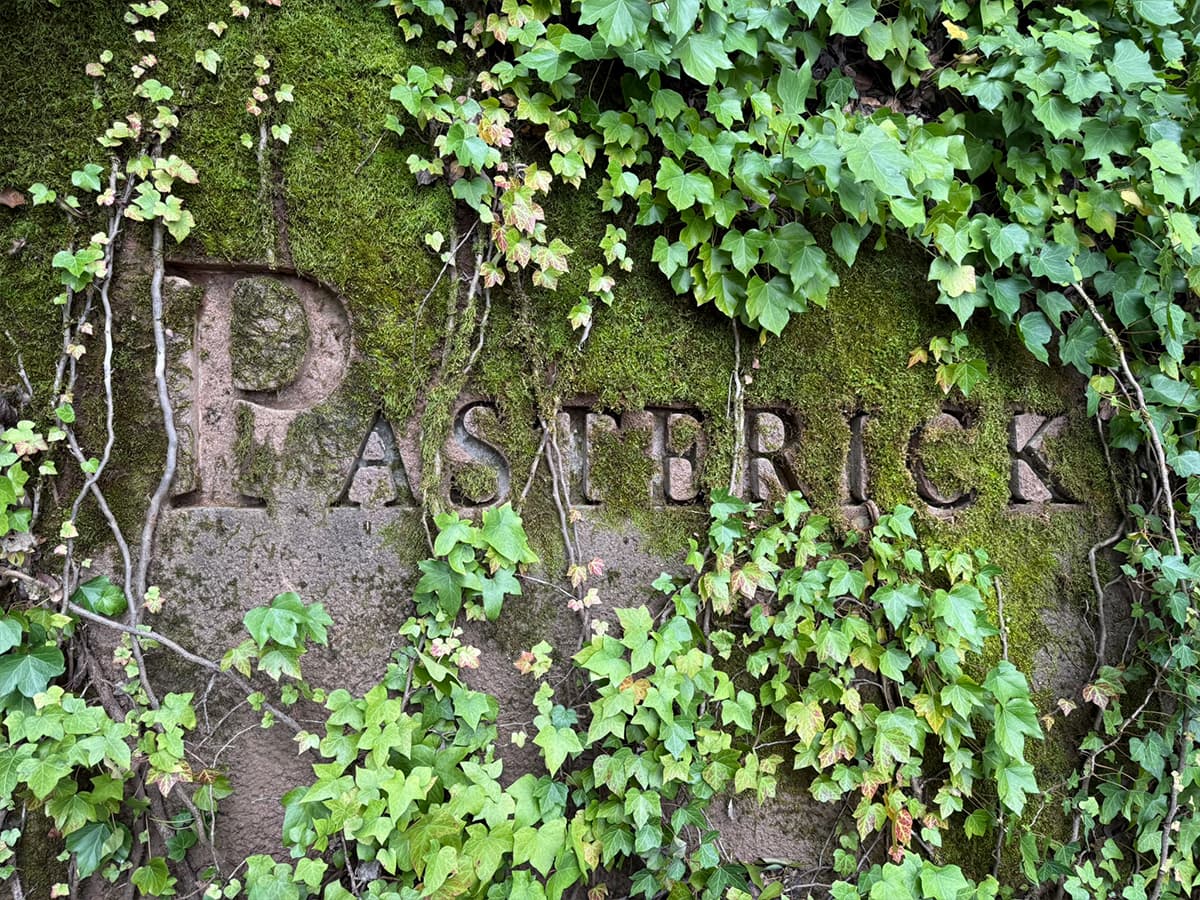
Pasterick Wines
A Northern Rhone-inspired hillside winery producing around 1,000 cases a year from ten estate acres of Syrah and Viognier.
Overview
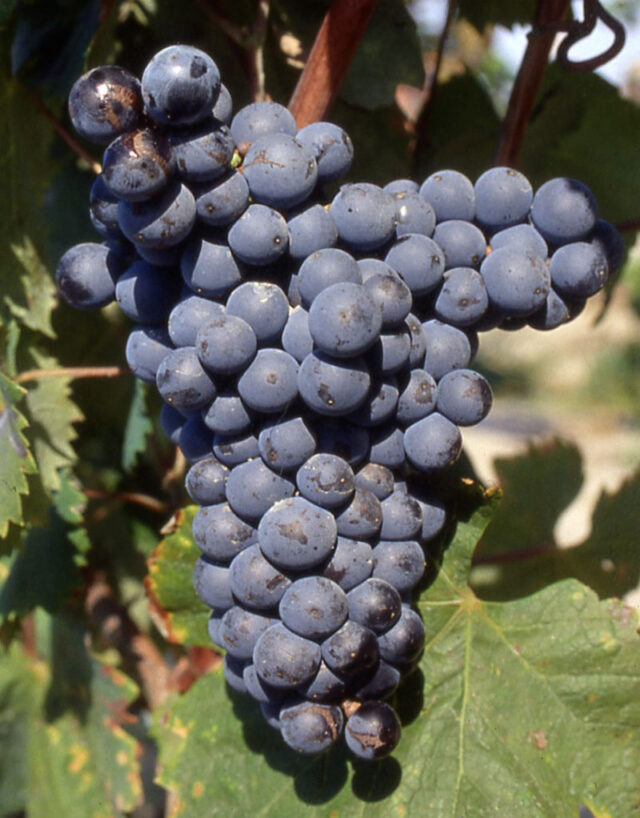
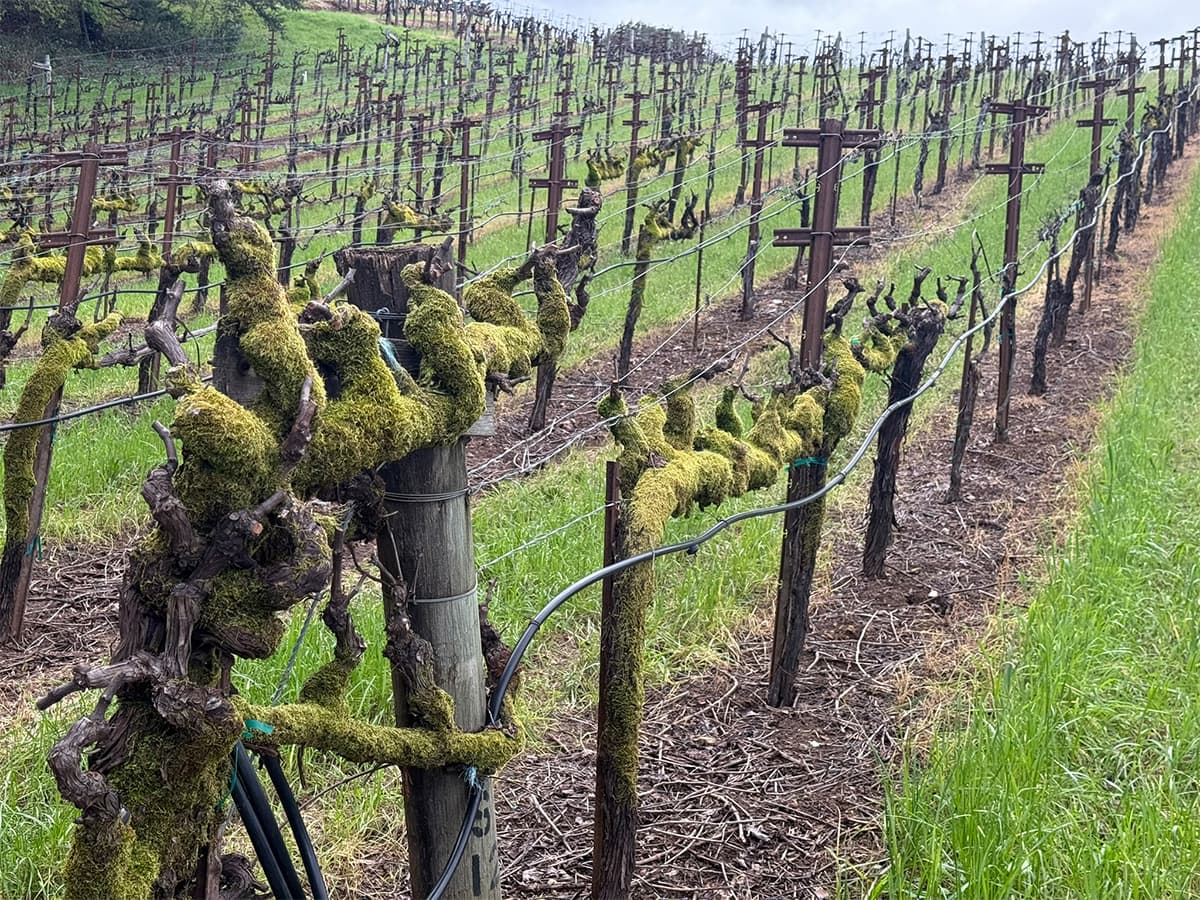
Pasterick is a 17-acre family property on the western hillside of Dry Creek Valley, just outside Healdsburg. They grow ten acres of Syrah and Viognier on steep slopes (20% to 45% grade) and make everything using Northern Rhone methods. The Syrah is co-fermented with about 3% Viognier in the classic Côte-Rôtie style, aged three years in French oak puncheons, and then bottle-aged another year before release. At roughly 1,000 cases a year, this is about as small-production as it gets.
History
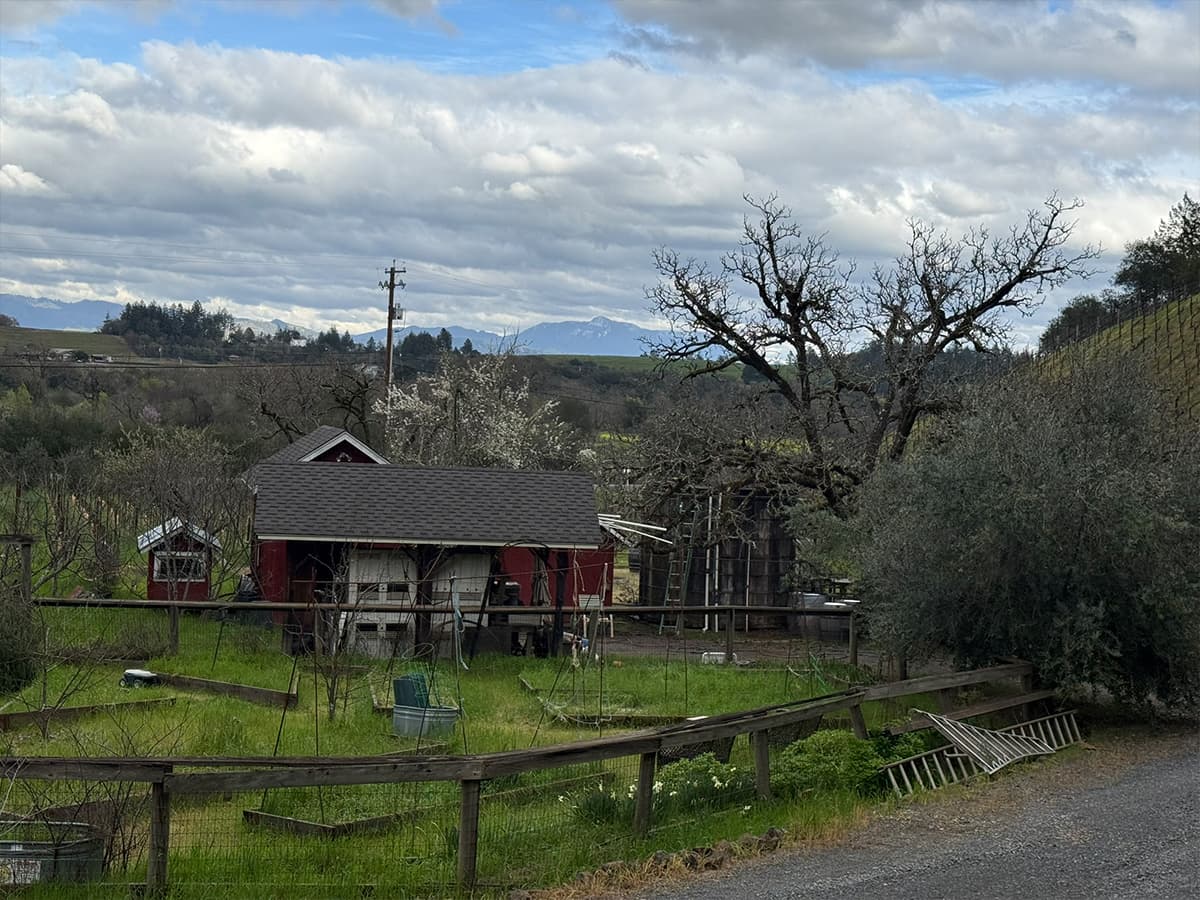
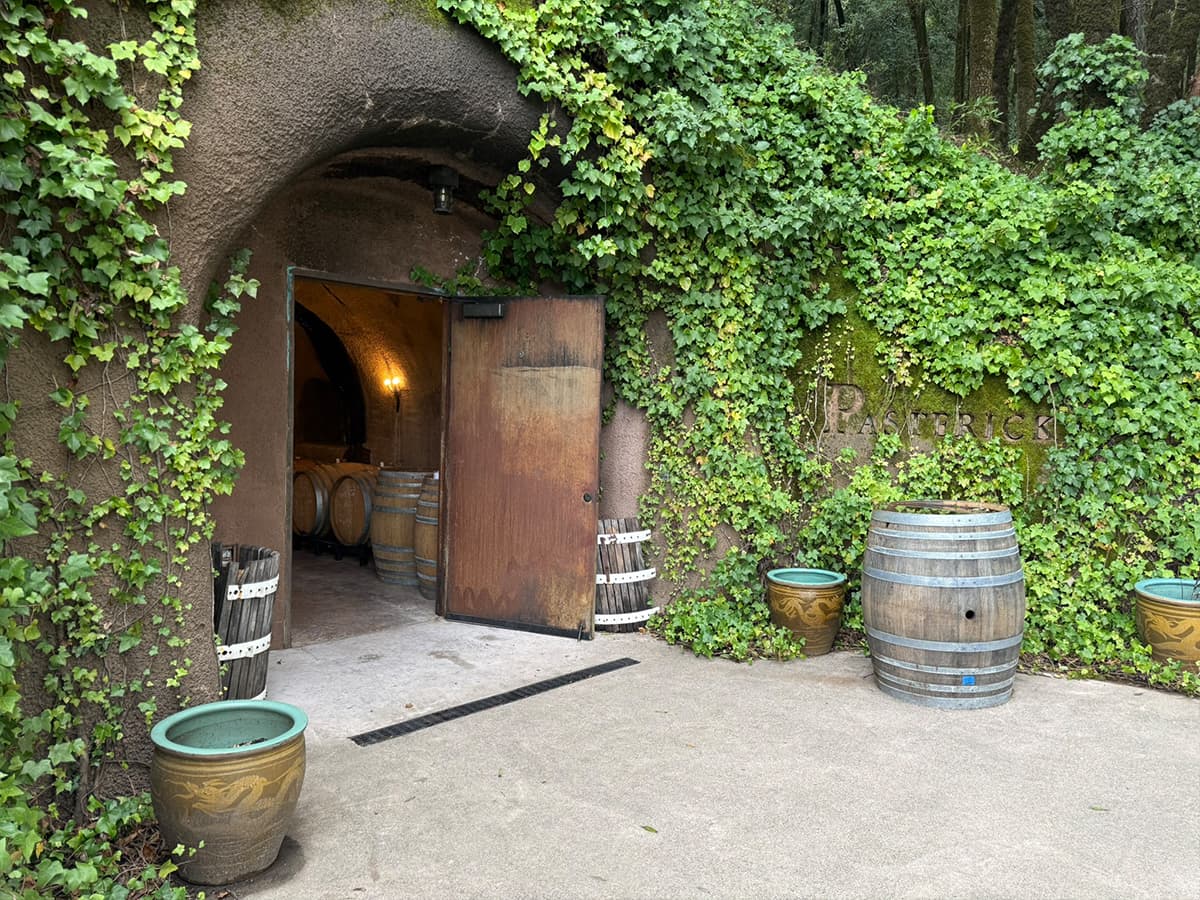
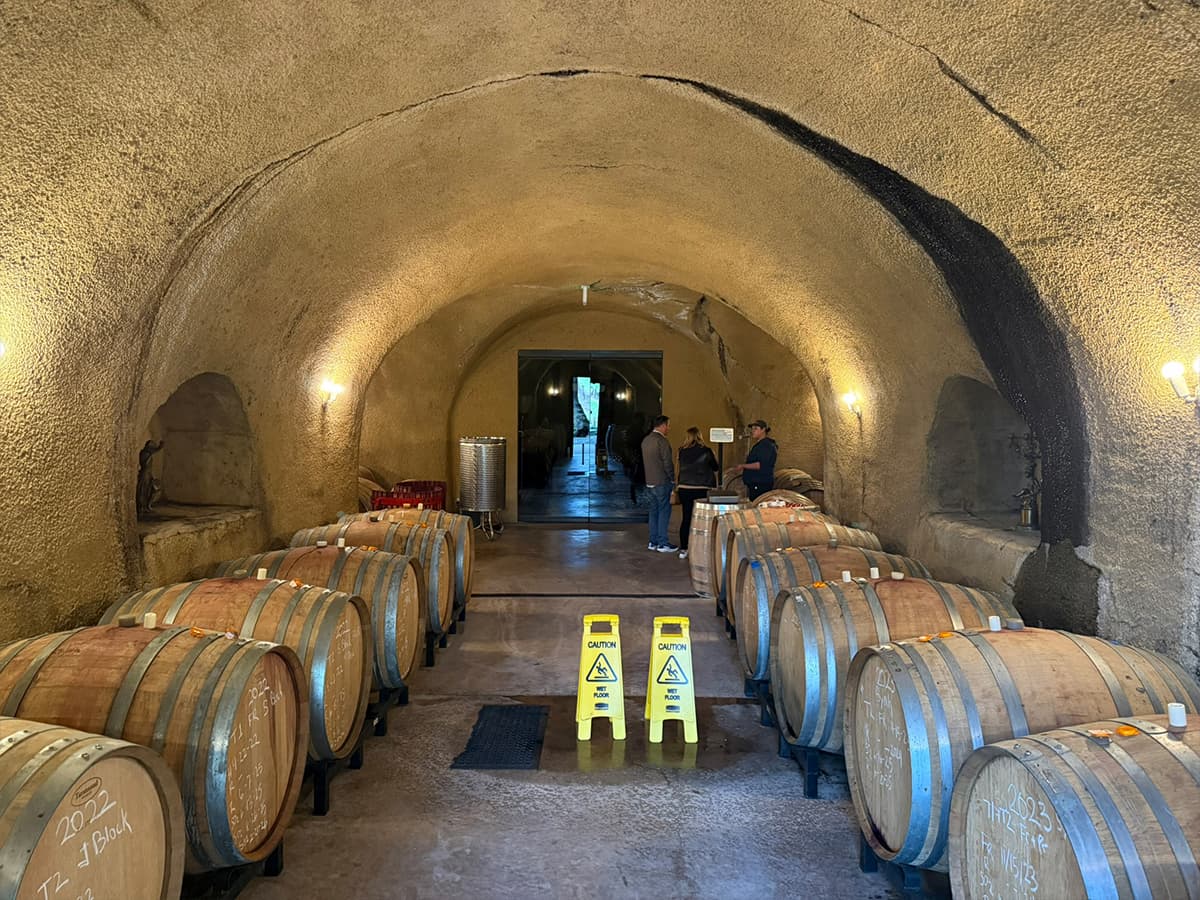
Diane and Gerry Pasterick bought the property in 1999. It had six hillside acres already planted to Syrah, and they added more Syrah and Viognier over time. The first vintage came in 2000. They remodeled the original 1913 farmhouse, planted olive trees, built out an orchard and gardens, and in 2007 dug a 3,400-square-foot wine cave into the 120-million-year-old granite hillside. The cave is shaped like a dragon, which is exactly the kind of detail you get from a family that does things their own way.
Their daughter Alexis started helping after school when she was 16 and joined the winery full time in 2013. She now handles tastings and developed their rosé program. It’s a genuine family operation in every sense.
Sustainability
Pasterick holds a Certified California Sustainable Winegrowing designation through the CSWA, earned in 2012. For a family this small, sustainability is less about certifications and more about how they actually live on the land. They’re stewards of a property that’s been in production since the early 1900s, and their approach is practical: environmentally sound farming practices that keep the hillside vines in balance without overworking the soil. The gardens, orchard, and olive trees aren’t window dressing. They’re part of how the family uses and cares for the property.
Atmosphere
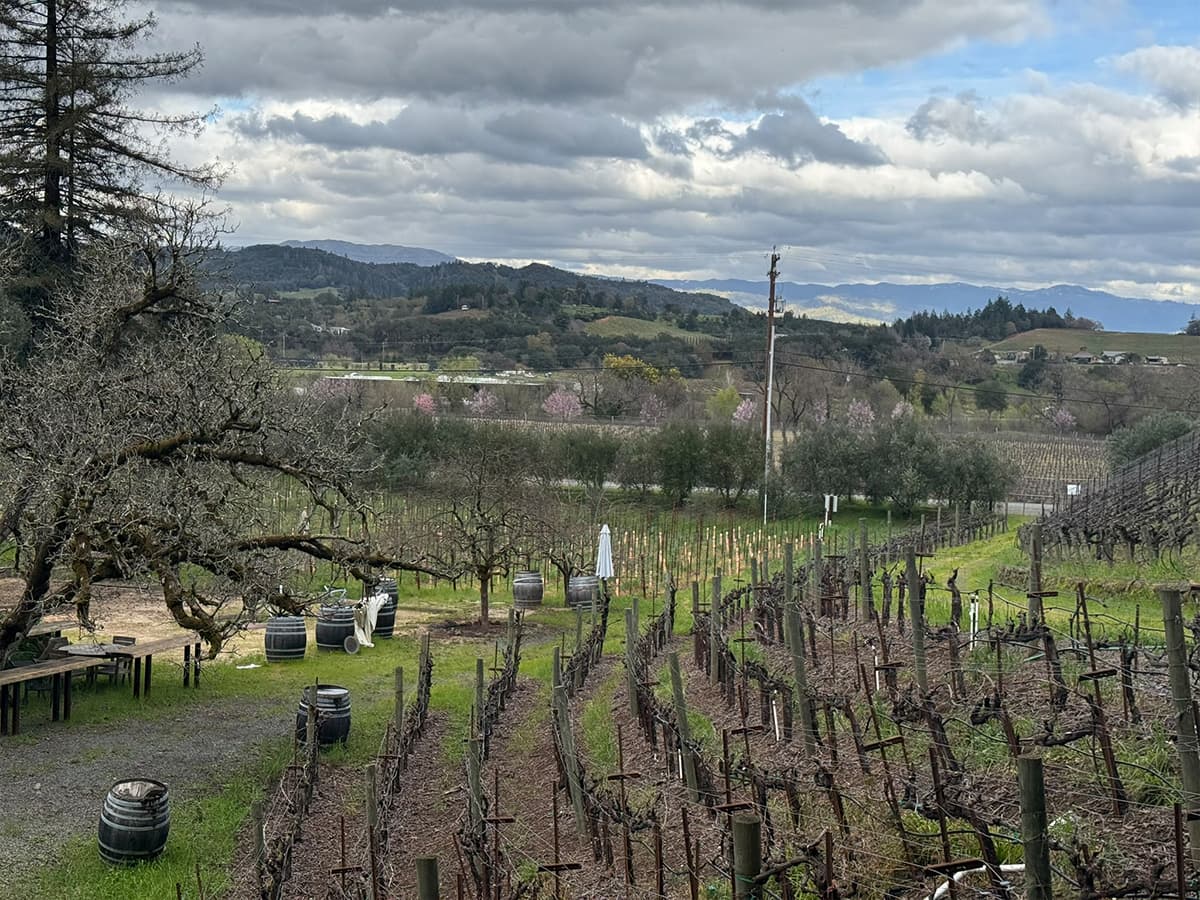
The property sits at the base of steep vineyard hillsides on West Dry Creek Road. It’s the opposite of flashy. There’s a remodeled 1913 farmhouse with a big porch, an orchard, a vegetable and cutting garden, Spanish and Tuscan olive trees, heritage roses, and a little grove of redwoods with seasonal waterfalls they call the “magic forest.” Tastings happen inside the cave, which stays naturally cool and has a surprisingly grand feel for such a small operation. It’s quiet and unhurried.
Experience
Visits are by appointment only, and they take just one or two groups per day. That alone tells you what the experience is like. Tastings are in the cave, and you’ll walk the property and vineyards with someone from the family who can explain everything from the two distinct soil types (volcanic red hill and ancient granite brown hill) to how the steep slopes affect the fruit. The Syrah is the star, and tasting through multiple vintages side by side is genuinely impressive. The wines are structured and complex, with the kind of depth that makes you slow down. People consistently leave saying it was the most personal, educational tasting they’ve had.
Unique Elements
- The property has two geologically distinct hillsides: one of 3-4 million-year-old volcanic soil and one of 120-million-year-old bedrock, and the Syrah blends fruit from both.
- The dragon-shaped wine cave, dug into the granite hillside in 2007, serves as both the aging facility and the tasting room.
- Everything follows Northern Rhone tradition, including Côte-Rôtie-style co-fermentation with Viognier and extended aging in Taransaud French oak puncheons.